
Last updated November 21, 2026
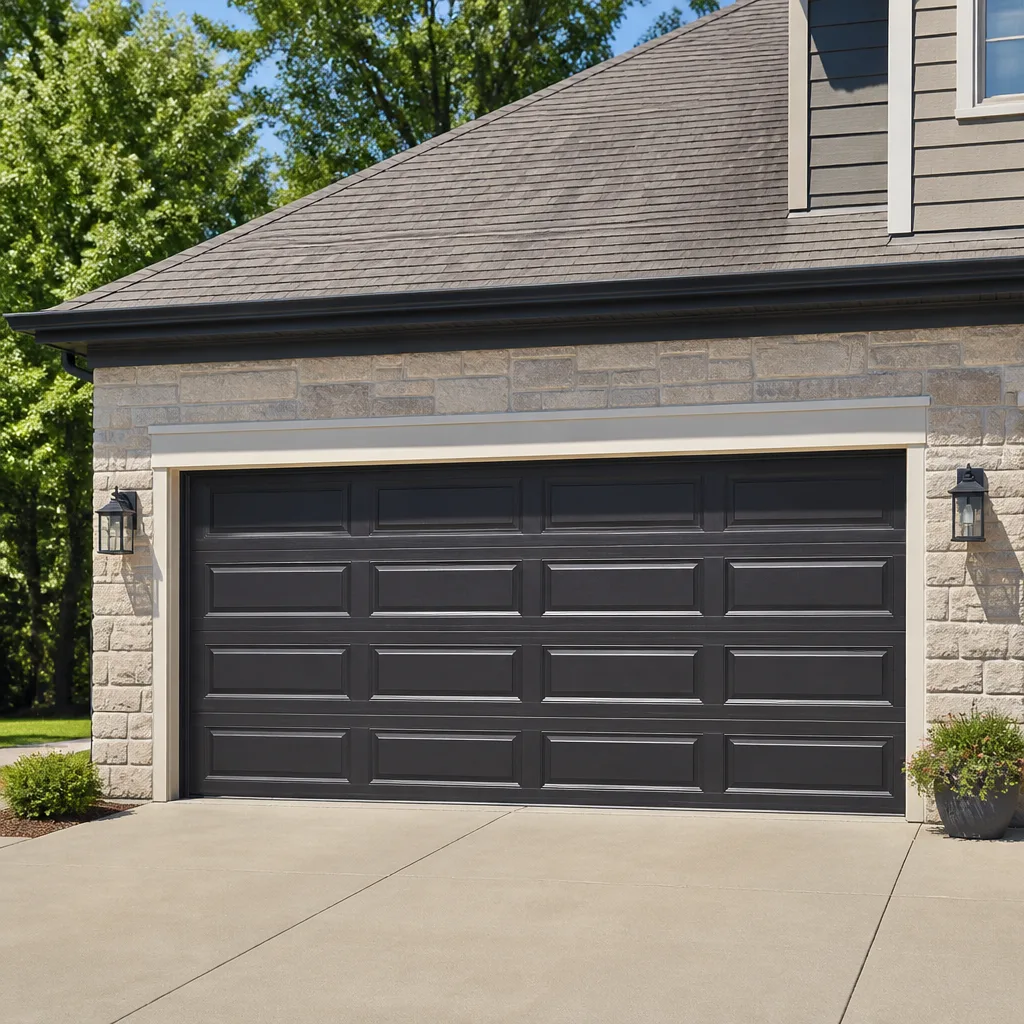 Raised-panel steel
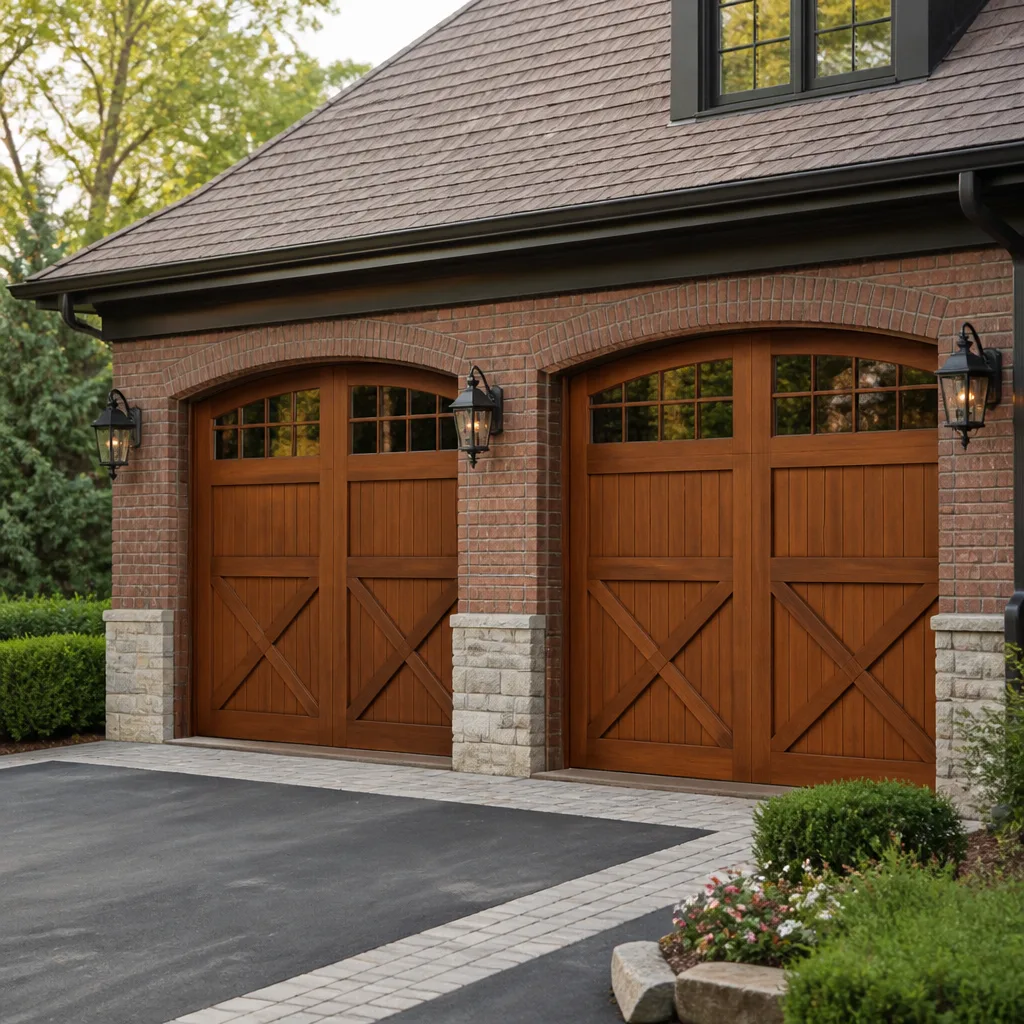 Carriage house
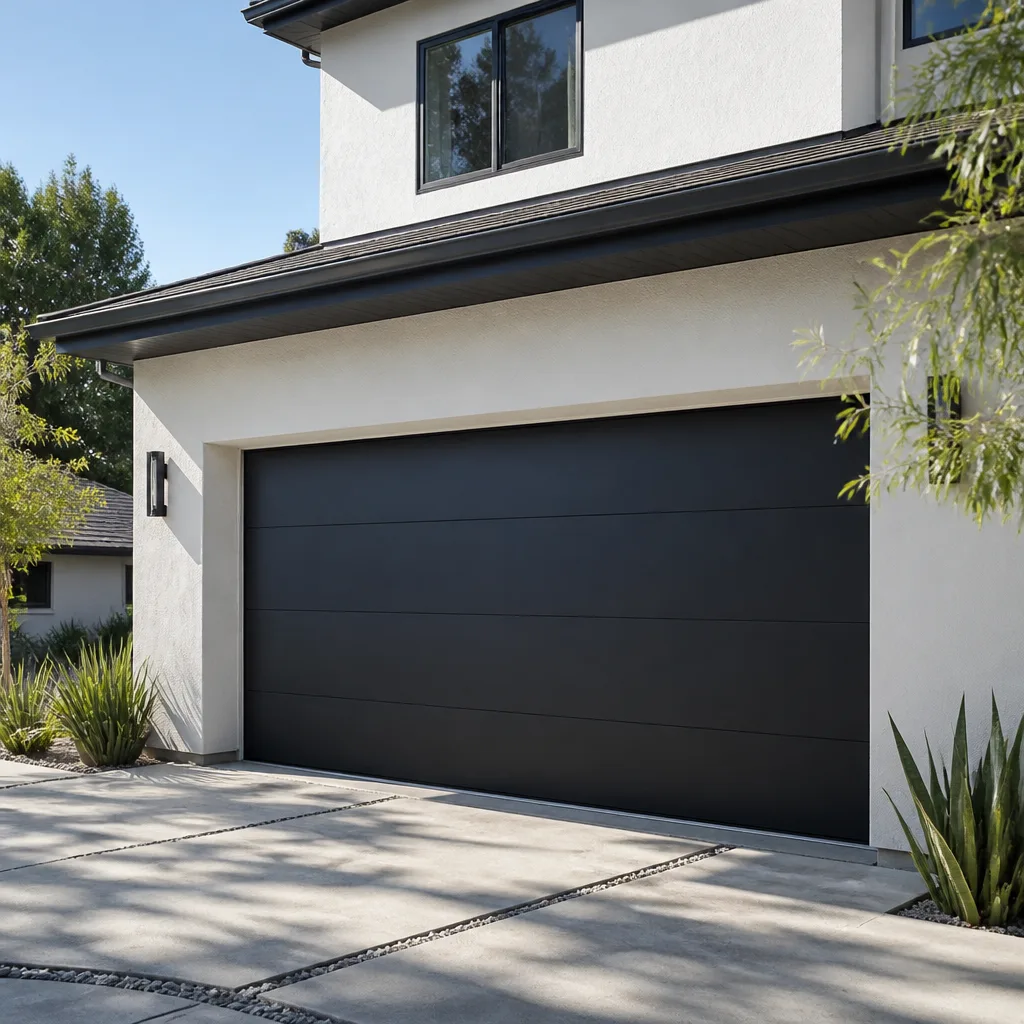 Modern flush
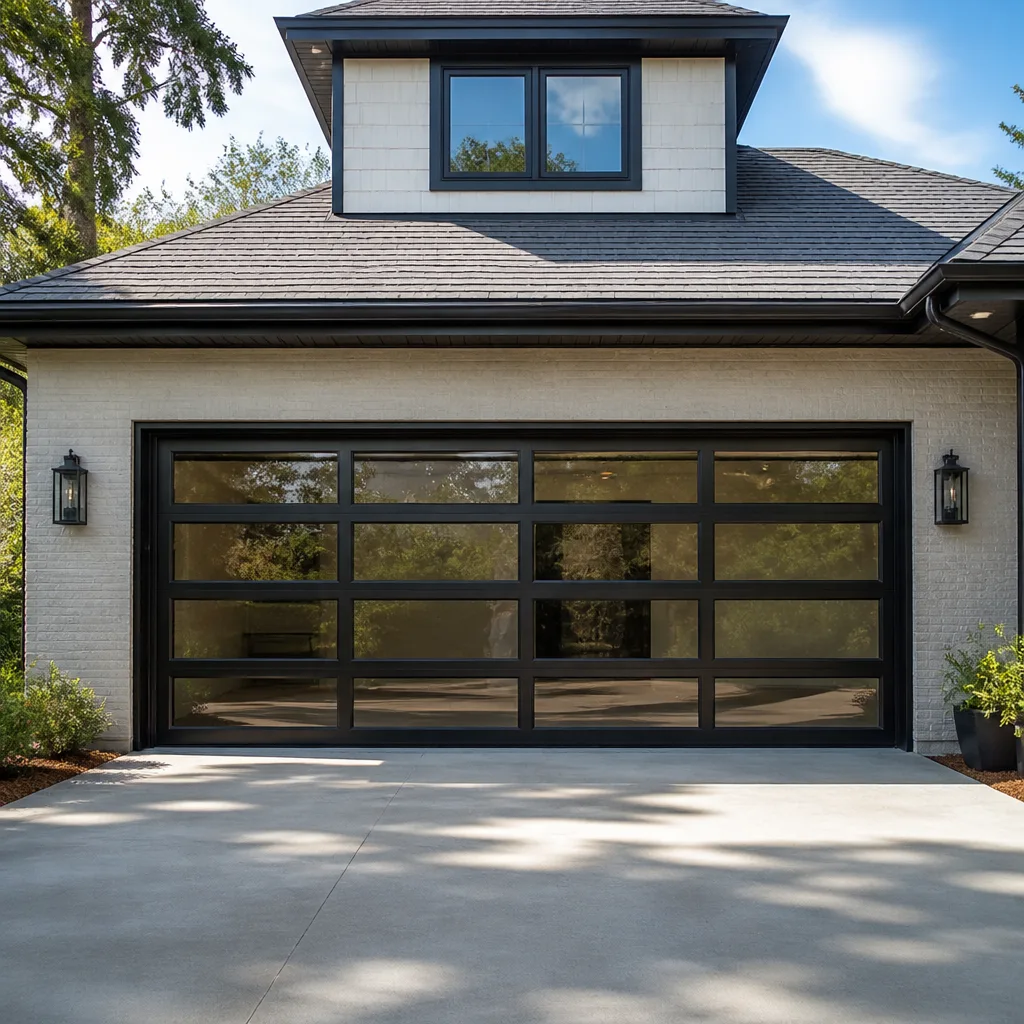 Full-view glass
 LiftMaster openers
 Chamberlain openers
Full 25-point door and opener safety check with every visit - springs, cables, rollers, tracks, and your LiftMaster or Chamberlain opener included
You get a price before we start. It does not change when the pro arrives.
Get your free estimateSeasonal Garage Door Care for Wellington: Year-Round Homeowner’s Guide
Most garage door maintenance advice you’ll find online was written for a place with hard winters. Wellington doesn’t have those. What we have is a wet season and a dry season, and each one wears on a garage door in ways that a northern climate guide never mentions. The single biggest misconception we run into is that a door either works or it doesn’t, so there’s nothing to maintain in between. In reality, the hardware, seals, and opener on a Wellington door are under steady stress from humidity, heat, and wind pressure for months at a stretch, and the failures that follow show up as emergencies. This guide walks through a maintenance calendar built for Wellington’s two-season reality, so you can catch small problems in the dry months before storm season turns them into real ones.
Quick Answer
Garage door care in Wellington should follow a two-season calendar rather than a four-season one. In the dry season (December through May), focus on UV damage to panels and seals, lubricant drying out in lower humidity, and opener sensitivity. In the wet season (June through November), focus on wind-rated hardware, track alignment, weather seals, and a post-storm inspection before you resume normal use. A pre-season inspection in May and a checkup in late November cover most of what goes wrong on a Wellington door.
Styles & brands we work with
- Raised-panel steel
- Carriage house
- Modern flush
- Full-view glass
- LiftMaster openers
- Chamberlain openers
Table of Contents
- Why Wellington Has Two Seasons, Not Four
- The Wet Season (June – November): Wind, Humidity, and Storm Readiness
- Your Pre-Season Inspection Checklist for May
- Post-Storm Inspection: What to Check Before Normal Use
- The Dry Season (December – May): UV, Dust, and Opener Sensitivity
- Testing and Documenting Your Door’s Hurricane Compliance
- The One Spring Task Wellington Homeowners Skip
- Opener Care Across Both Seasons
Why Wellington Has Two Seasons, Not Four
Wellington’s climate is really a wet half and a dry half. From June through November, the air holds more moisture, rain comes in heavy bursts, and wind pressure on the door is a constant factor during storm season. From December through May, the air dries out, the sun is intense, and the daily temperature swing is wider. Those two patterns stress a garage door in completely different ways, and treating them the same guarantees you’ll miss something.
A garage door is a moving system of springs, cables, rollers, tracks, hinges, and panels. Each of those parts reacts to moisture and heat differently. Steel panels expand slightly in summer heat and contract in the cooler, drier months. Wood or composite panels swell in humidity and shrink in the dry air. Lubricant behaves differently in each half of the year. The weather seal at the bottom of the door takes a beating in both, just for different reasons.
What that means for a Wellington homeowner is that the calendar should be built around the transition points, not around the solstices. Late May is the moment to get the door ready for the wet season. Late November is the moment to get it ready for the dry stretch. Two focused inspections a year, plus a quick look after any named storm, is a realistic maintenance rhythm most homeowners can actually keep up with.
- Wet season signal: humidity, wind pressure, heavy rain, and seal wear.
- Dry season signal: UV exposure, dust, lubricant evaporation, and opener sensitivity drift.
- Transition points: late May (pre-wet season) and late November (pre-dry season).
The Wet Season (June – November): Wind, Humidity, and Storm Readiness
During storm season, the garage door is one of the largest openings in your home and one of the most vulnerable to wind pressure. A door that runs smoothly in calm weather can still rattle, flex, or fail under load if the hardware has loosened or the tracks have shifted. The wet months are when those small weaknesses become obvious, so getting ahead of them matters.
Humidity works on the door too. Metal hinges, springs, cables, and the track bolts pick up surface corrosion faster when the air stays damp for weeks. Rollers that roll quietly in dry weather can start squealing or skipping in humidity because the lubricant has thinned or washed away. The weather seal at the bottom of the door, which is meant to keep water and blowing rain out, softens with heat and takes a set, eventually leaving gaps that let water in.
Wind-driven rain is the specific problem for a Wellington garage. When rain comes in at an angle, it pushes against the bottom seal, the sides, and any gap around the frame. A seal that’s a few years old can look fine from the outside and still leak under real wind pressure. Checking it in May is one of the highest-value things you can do.
- Wind-rated hardware: hinges, brackets, and anchor bolts should be tight and free of rust.
- Track alignment: tracks should run straight and parallel, with no dents or bowed sections.
- Weather seal: the bottom seal should sit flush against the floor and be free of cracking or tears.
- Rollers and hinges: check for smooth operation and lubricate where the manufacturer recommends.
- Cables and springs: inspect visually for fraying, stretch, or visible corrosion, but never adjust them yourself.
Your Pre-Season Inspection Checklist for May
A May inspection is the single most important maintenance event in the Wellington calendar. It’s the last quiet stretch before storm season, and it’s the best moment to catch hardware or seal problems while the weather is calm and a scheduled repair isn’t an emergency. Here’s the sequence we’d walk:
- Run the door through a full open and close cycle. Listen for rattles, grinding, or a door that hesitates. Note where in the cycle anything sounds off.
- Test the auto-reverse and safety sensors. Push the reversing mechanism with a solid object or the trip lever, and confirm the door reverses. Wave an object across the safety sensor beam to confirm the door stops and reverses. If either fails, stop using the door and get it serviced.
- Inspect the tracks. Look at both vertical tracks and the horizontal tracks for dents, bends, or sway. The door shouldn’t wobble as it travels.
- Check hinges and brackets for tightness. A loose hinge is a small problem now and a bigger one under storm pressure.
- Look over the bottom weather seal. Any cracks, tears, or sections that no longer touch the floor should be flagged for replacement before storm season.
- Look at the springs and cables from a safe distance. Never touch, adjust, or attempt to service springs or cables yourself. Report what you see and have a trained technician handle it.
- Confirm the opener responds correctly to the remote and wall control, and that the emergency release functions.
- Write down the door’s brand and model, and check that your hardware matches its wind rating (more on this below).
We work through this checklist on LiftMaster, Chamberlain, Genie, Clopay, and other major brand doors every season, and the failures we see in July and August almost always trace back to something on this list that was missed in May.
Post-Storm Inspection: What to Check Before Normal Use
After any named storm or a sustained wind event in Wellington, the door should be inspected before you resume normal daily operation. Not because the door is necessarily damaged, but because a door that was stressed by wind or impact can fail suddenly if it was weakened. Here’s the sequence.
- Don’t operate the door if it looks visibly out of alignment. If a panel is bowed, a track is bent, or the door hangs unevenly, leave it closed and call a technician.
- Look at the panels from inside and out. Check for dents, bowing, or panel separation that wasn’t there before the storm.
- Check the top and bottom tracks. Bent tracks or a door that’s come out of the roller guides is a serious issue. Don’t force it.
- Look for water intrusion around the bottom seal and the frame. Standing water inside the garage is a warning sign your seal or frame is compromised.
- Inspect the springs and cables visually from a safe distance. A spring that looks stretched or a cable that looks slack is a stop signal.
- Test the safety reverse before returning to normal use. If the safety systems don’t work, don’t rely on the door.
- Look at the opener housing and the ceiling mount. A storm that stressed the door can also have loosened the opener’s attachments.
If anything on this list looks wrong, the right move is to book a garage door repair visit rather than test the door further. A technician can confirm what’s actually wrong and quote the repair before any work begins.
The Dry Season (December – May): UV, Dust, and Opener Sensitivity
Wellington’s dry season brings its own set of stresses, and they’re the opposite of the wet season’s. The sun is more intense, the air is drier, and the daily temperature swing is wider. UV exposure breaks down the protective finishes on steel doors and degrades the weather seal at a steady rate. Panels that face the sun most directly will fade, chalk, or crack at the seams before the shaded side shows the same wear.
Dust is another dry-season factor. Fine dust gets into the roller tracks and the opener chain or belt, and over a few months it turns into a gritty film that wears on the moving parts. Lubricants dry out faster in lower humidity. Rollers that ran smooth in June can start to squeal by February, not because they’ve failed but because there isn’t enough lubricant left. This is also the season where opener sensitivity drifts, because the door is binding slightly on rollers it doesn’t really like.
What to focus on during the dry months:
- Panel condition: look for fading, chalking, or cracking on sun-facing panels, particularly if the door faces west or southwest.
- Weather seal: check for cracking or hardening even if the door isn’t leaking. UV hardens the seal long before it tears.
- Lubricant: rollers, hinges, and the opener rail (where the manufacturer specifies it) benefit from a seasonal re-lube.
- Opener sensitivity: test the safety reverse monthly. If the force setting on the opener feels too tight, that’s a service call.
- Track cleaning: wipe tracks clean of dust and grit, then dry them. Grinding grit accelerates roller wear.
If your door uses a LiftMaster or Chamberlain opener with a battery backup, the dry season is a good moment to verify it still holds a charge. Battery backup matters most in the wet months, but you don’t want to find out it’s failed during a storm.
Testing and Documenting Your Door’s Hurricane Compliance
Southern Florida counties enforce wind-borne debris and product approval rules for garage doors, and Wellington properties fall under those rules. The specifics vary by jurisdiction, product, and installation year, so we won’t quote code numbers or rules here. What matters for a homeowner is that you can demonstrate the door’s wind rating and installation details if you need to. Insurance companies increasingly ask for documentation when a claim is filed after storm damage, and a door that can’t be verified as a rated product can complicate that process.
What to keep on hand:
- The door’s product approval label or documentation from the manufacturer or installer, showing the wind rating and product approval number.
- Installation records showing the door was installed to the manufacturer’s specification, including hardware and anchor details.
- Reinforcement documentation if the door uses a bracing kit or wind post system.
- A written record of service history – spring replacements, opener service, and any track or hardware repairs.
- Photos of the door showing the label or stamp if it’s no longer legible on the door itself.
If you don’t have that paperwork, ask your city’s building department what records they hold and what they’d want to see. A technician can also confirm the door’s brand and identify the model on many doors, which is often the starting point for reconstructing the paperwork.
The One Spring Task Wellington Homeowners Skip
The task we see skipped more than any other in the spring is the pre-season safety check. Homeowners will remember to lubricate, wash the door, or check the seal, but they skip testing the safety reverse and the sensor beam. That one omission accounts for a large share of the emergency calls we get through summer. A door with a failed safety system may still open and close, so nothing feels wrong until it does something dangerous or refuses to work in the middle of a storm afternoon.
Testing takes a minute. Trigger the reversing mechanism or put a solid object in the door’s path and confirm it reverses. Then wave an object in front of the safety sensor beam on the way down and confirm the door stops and reverses. If either fails, stop using the door and get it serviced.
The second most-skipped task is checking the bottom seal before the wet season. A seal that looks fine from inside the garage can still leak in angled rain, and by the time it’s obvious the water has already gotten in. If a Wellington homeowner does nothing else in spring, we’d want it to be those two checks.
Opener Care Across Both Seasons
The opener gets a lot of attention when it fails and almost none when it doesn’t. In a two-season climate, opener care is really about sensitivity, lubrication, and the chain or belt. In the dry season, the opener tends to run under less load because the door isn’t swollen. In the wet season, humidity and heat can make the door bind slightly, and the opener’s force setting gets tested in ways it isn’t during the dry months.
- Test the safety reverse monthly. This is the single most important opener check.
- Listen to the opener. A grinding, straining, or rattling opener is warning you about something before it fails.
- Lubricate the chain or belt where the manufacturer specifies it, and check for fraying or slack.
- Verify the battery backup if your opener (many LiftMaster and Chamberlain models) has one.
- If your opener is smart-connected (myQ and similar), check the app notifications for fault logs during the wet months.
When the opener is genuinely at fault, a real garage door opener repair diagnosis matters more than swapping parts. We work on LiftMaster, Chamberlain, Genie, Craftsman, and Raynor openers, which means we usually don’t need to sell you anything to fix yours.
Common Mistakes to Avoid
- Treating the door like a four-season door. A maintenance plan written for a snowy climate leaves Wellington-specific problems (humidity-driven corrosion, wind-rated hardware, and UV-degraded seals) completely uncovered.
- Skipping the pre-season safety test in May. The auto-reverse and sensor beam are the two things you cannot afford to skip. A door that fails them can seriously injure someone or refuse to work when you need it most.
- Lubricating the tracks. Tracks should be cleaned and dry. Lubricant on the tracks collects dust and grit, which wears rollers down faster, not slower.
- Ignoring the weather seal until it leaks. UV and humidity both degrade the seal. A seal that looks fine from inside the garage can leak in wind-driven rain.
- Trying to adjust springs or cables yourself. These are the highest-risk parts on the door. Leave them to a trained technician, every time.
- Assuming a quiet door is a healthy door. Grinding, squealing, or hesitation are warnings, not just noise. Catching them in the dry season is cheaper than catching them during storm season.
- Not keeping documentation. If you sold your home or refinanced, the door paperwork can get lost. Track it down now, not after a storm.
See the difference
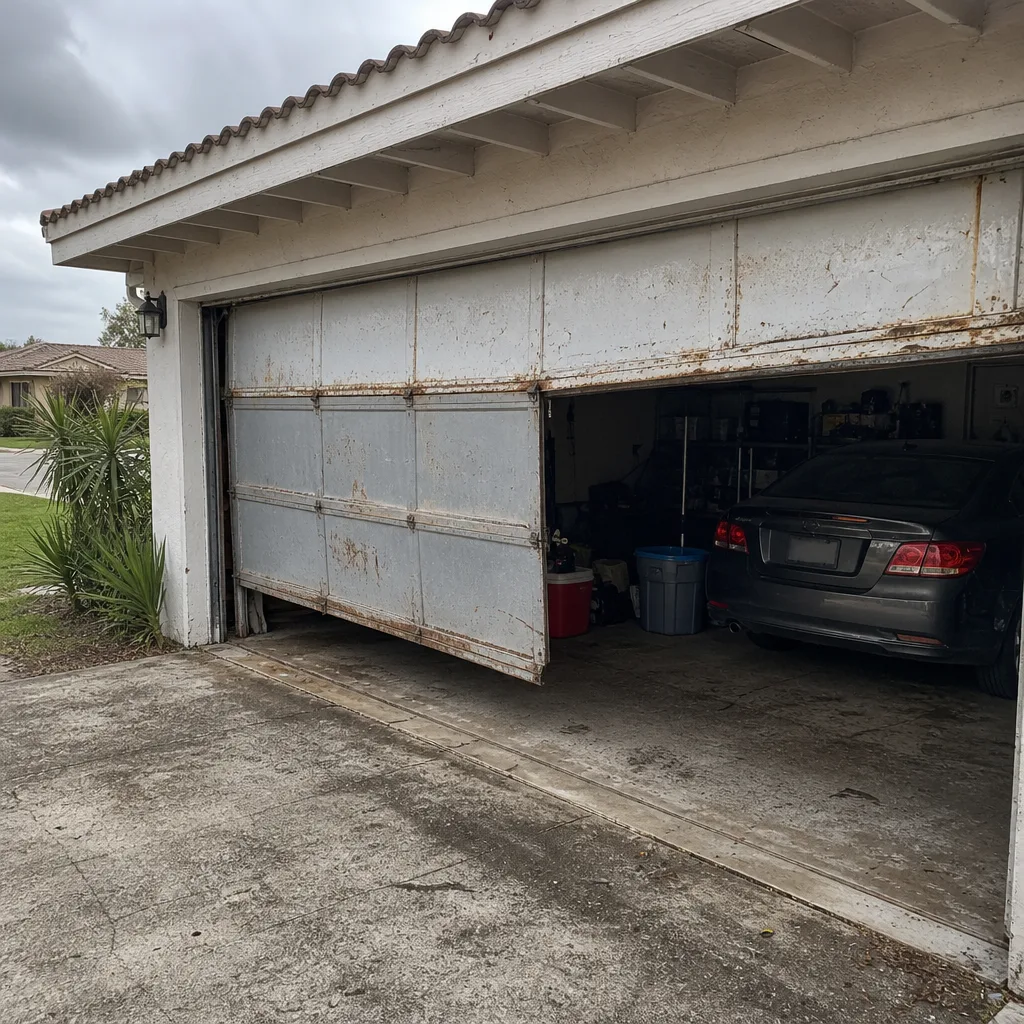 Before
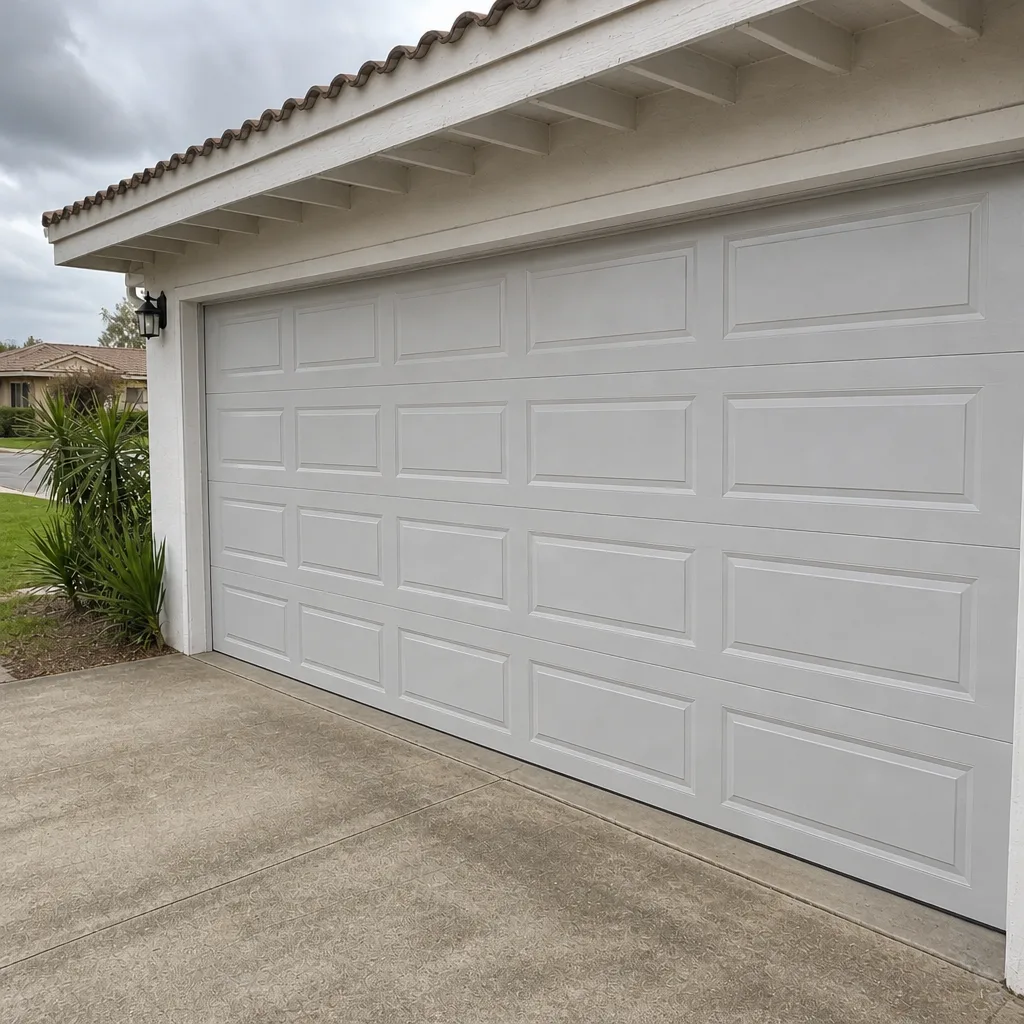 After
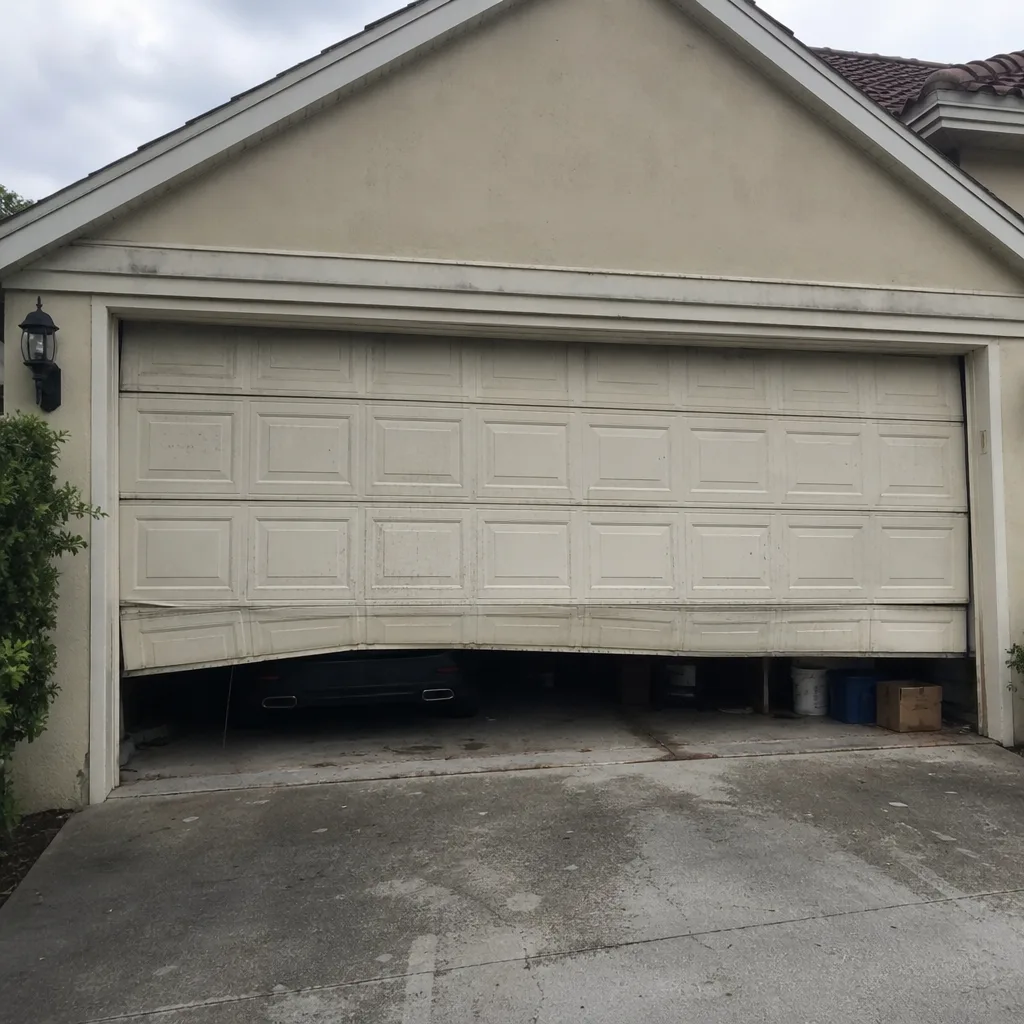 Before
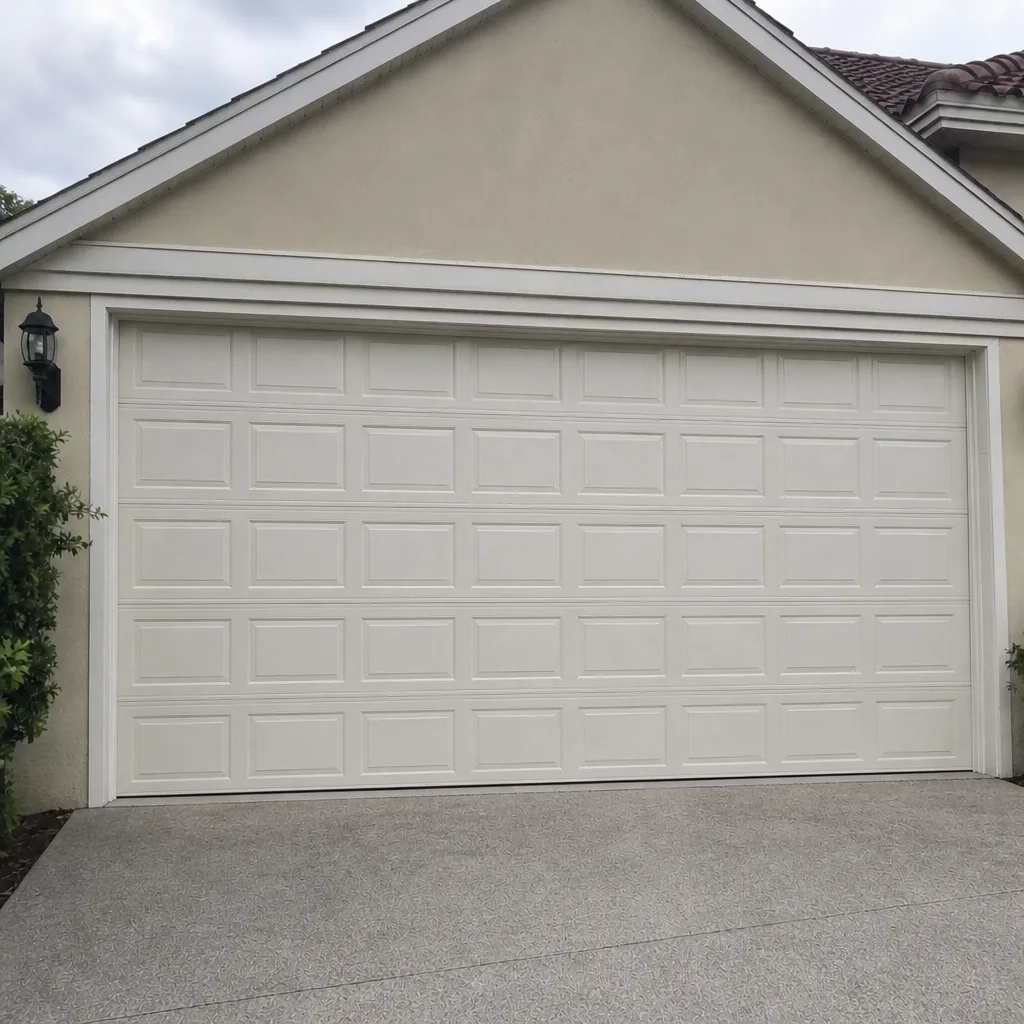 After
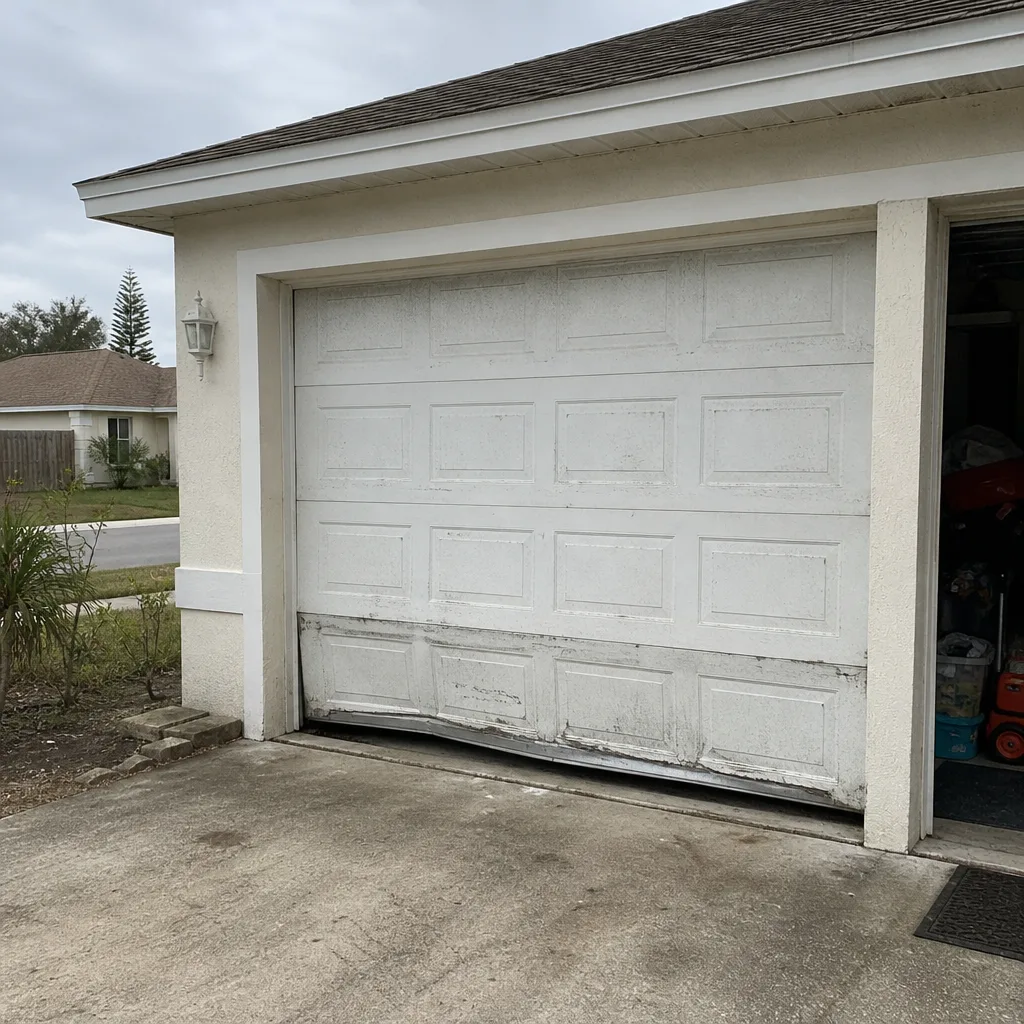 Before
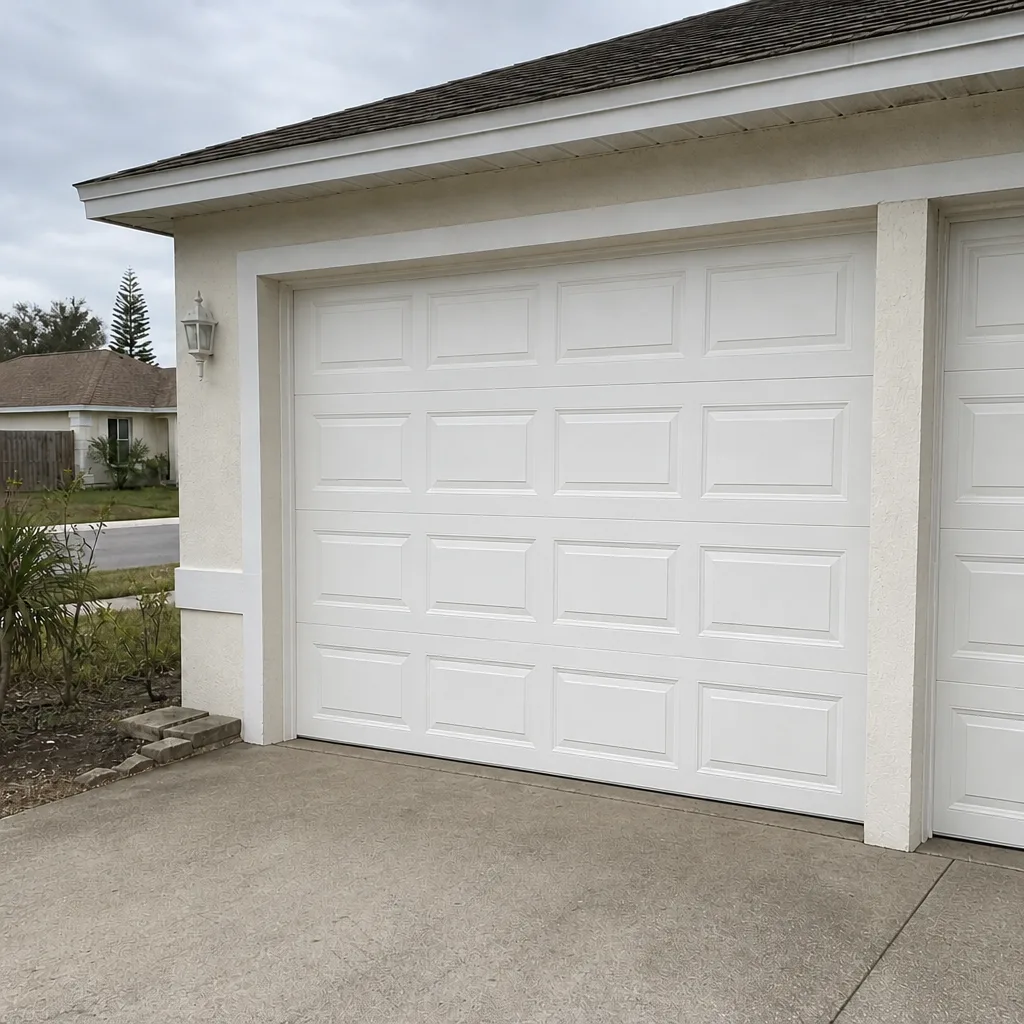 After
When to Call a Professional
Some jobs are maintenance. Some are repairs that should never be a DIY project. Call a professional when the door is uneven or binding in the tracks, when the safety reverse or sensor beam fails, when you hear grinding from the opener, when any panel is visibly bent or bowed, or when a spring or cable looks stretched, frayed, or compromised. Springs and cables are the highest-risk parts of the door and should only ever be handled by a trained technician. If a storm has passed through and anything on the post-storm checklist looks off, don’t run the door again until someone has looked at it. Wellington Garage Door Repair Co offers free estimates in Wellington. Call (844) 913-0920. We answer 24/7. Fast dispatch from 7am to 7pm, Sunday through Friday.
Frequently Asked Questions
Twice a year at minimum: once in late May before storm season, and once in late November before the dry stretch. Plus a visual check after any named storm or sustained wind event. Monthly safety reverse testing fills in the gaps between those inspections and takes about a minute.
No. Tracks should be cleaned and left dry. Lubricant on the tracks collects dust and grit, which wears the rollers down faster. Lubricate the rollers, hinges, and springs only where the manufacturer specifies it, and keep the tracks clean instead.
Yes, and you should, monthly. Put a solid object in the door’s path or trigger the trip lever and confirm the door reverses. Then wave an object across the safety sensor beam and confirm the door stops and reverses. If either fails, stop using the door and call a technician.
Check panels for dents or bowing, tracks for bending, the bottom seal for water intrusion, and the springs and cables visually from a safe distance. Test the safety reverse before returning to normal use. If anything looks wrong, leave the door closed and book a repair visit rather than test it further.
Yes. Keep the product approval documentation, the installation records, and any reinforcement paperwork. Insurance companies often ask for that documentation when a storm damage claim is filed, and reconstructing it later is harder than keeping it on hand from the start.
Spring repair pricing varies with the door’s size and spring configuration, and the price is quoted by written estimate before any work begins. Call (844) 913-0920 to book a free estimate. We work on springs for Clopay, Amarr, Wayne Dalton, and other major brand doors, and we don’t try to sell a new door when a spring repair is the right fix.
The Bottom Line
Wellington doesn’t need a four-season maintenance plan. It needs a two-season one. May is for pre-storm readiness: safety reverse, sensor beam, tracks, hinges, seal, wind-rated hardware, and documentation. November is for dry-season readiness: UV inspection, lubricant, dust, and opener sensitivity. A quick post-storm check after any named storm covers the rest. Homeowners who follow that rhythm catch most problems in the calm months, before they turn into emergency calls in July. If something looks wrong, or if you’re not sure your door is storm-ready, call (844) 913-0920 for a free estimate. We answer 24/7. Fast dispatch from 7am to 7pm, Sunday through Friday.
Written by the team at Wellington Garage Door Repair Co.