
Last updated November 21, 2026
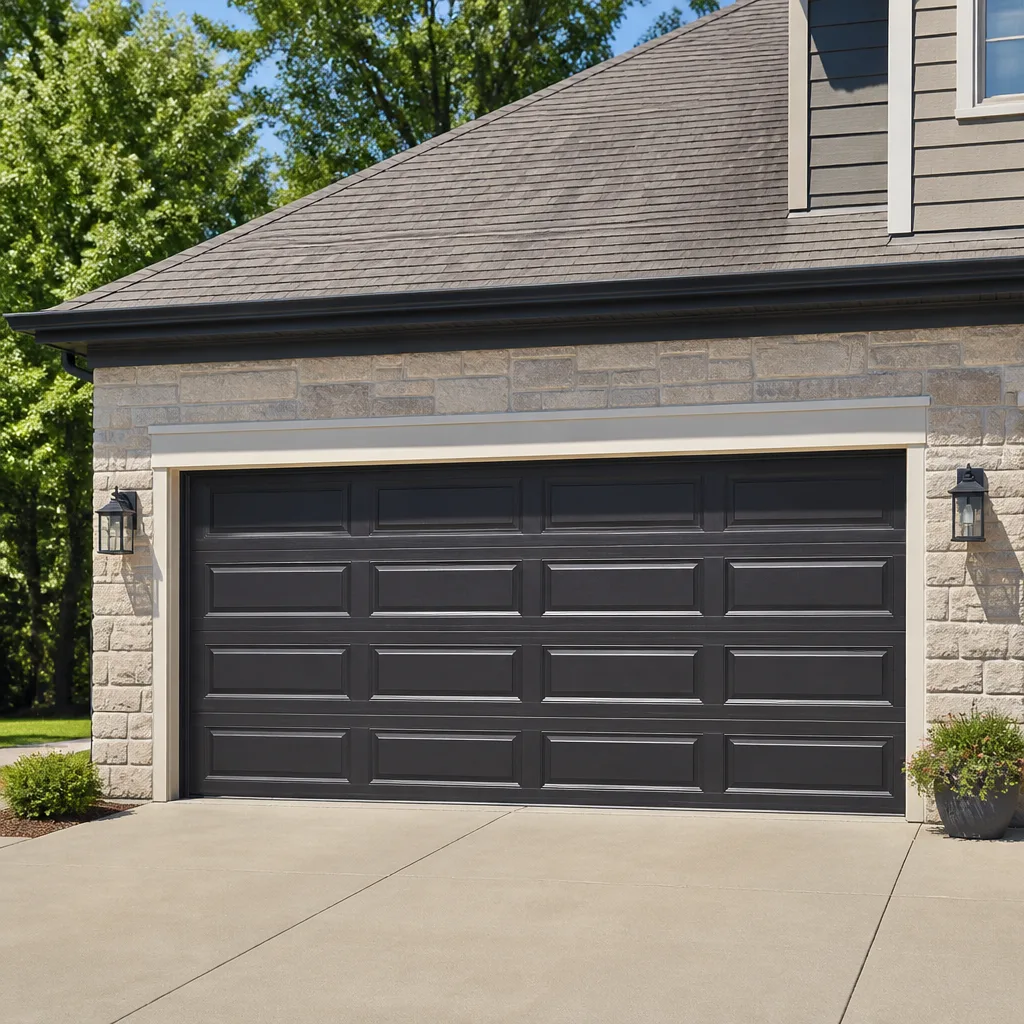 Raised-panel steel
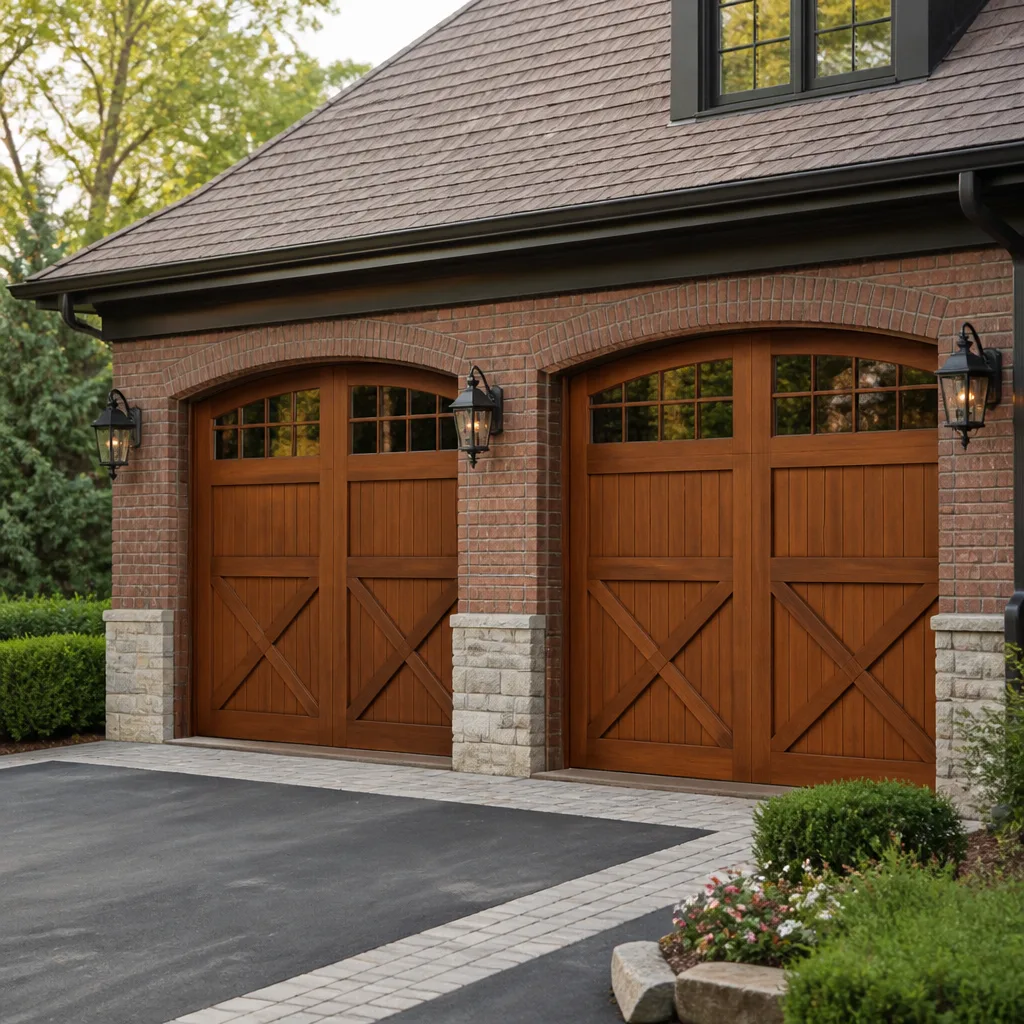 Carriage house
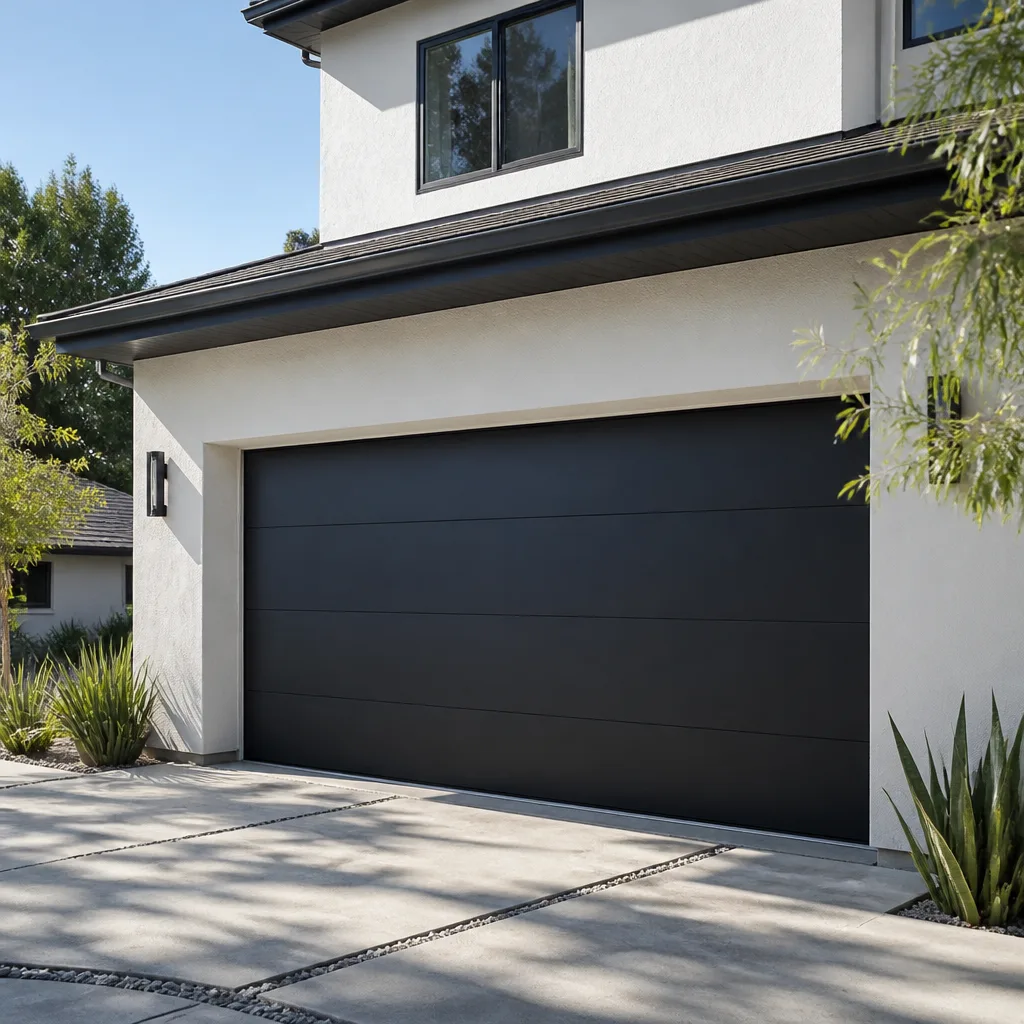 Modern flush
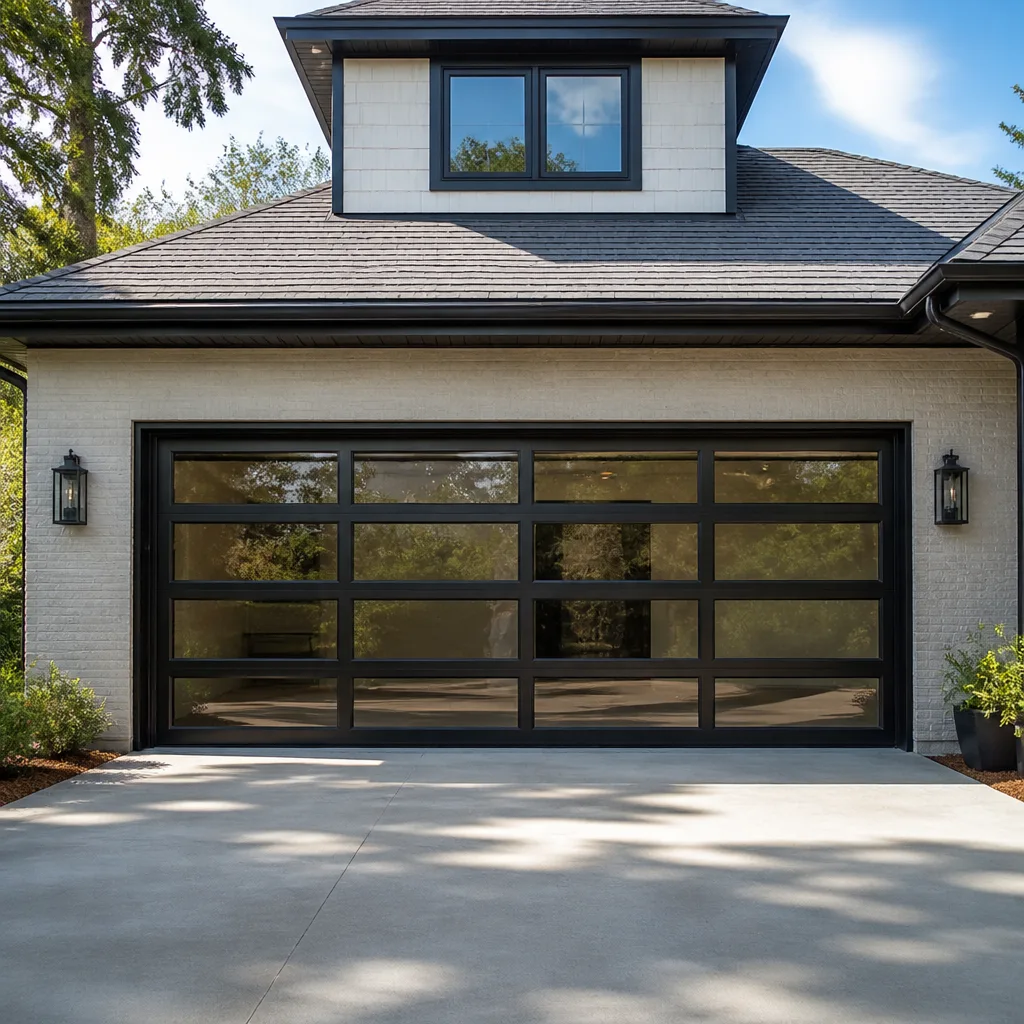 Full-view glass
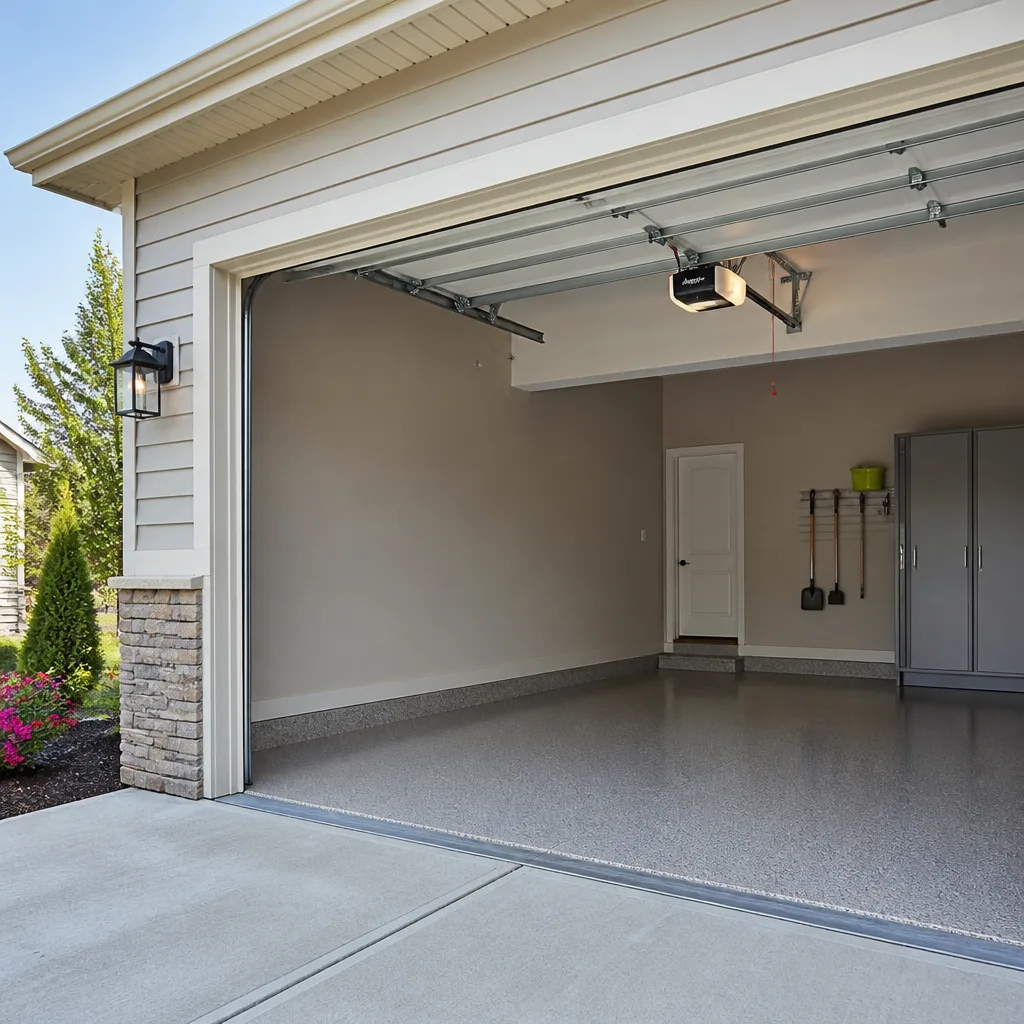 LiftMaster openers
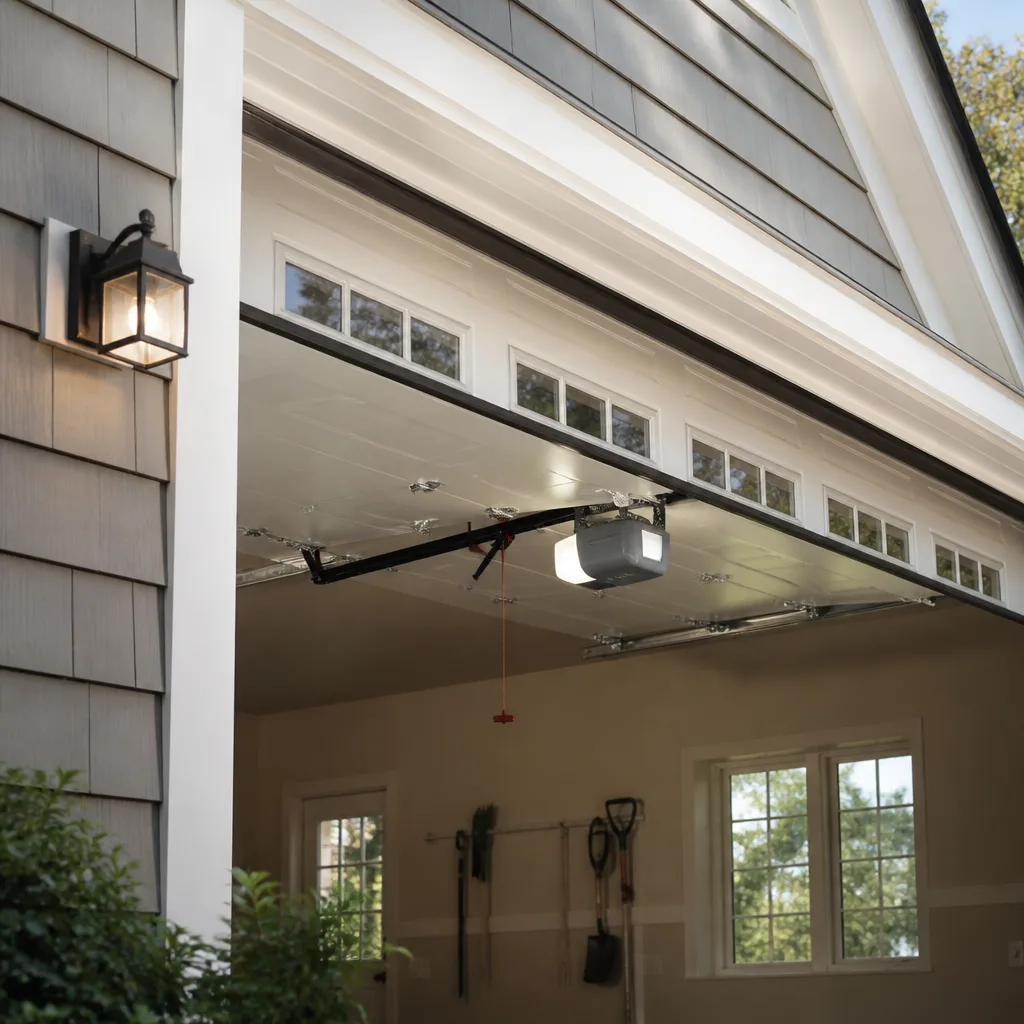 Chamberlain openers
Full 25-point door and opener safety check with every visit - springs, cables, rollers, tracks, and your LiftMaster or Chamberlain opener included
You get a price before we start. It does not change when the pro arrives.
Get your free estimateGarage Door Cost Breakdown: The Wellington Homeowner’s Reference for 2026
Here’s the mismatch that starts most pricing arguments: a homeowner in Wellington looks up the national average for a spring repair, sees a low figure, then gets a local quote that runs well above it and assumes someone is padding the bill. Most of the time that assumption is wrong. What changed between those two numbers is wind-load construction, Florida Building Code compliance, and a South Florida labor market that prices skilled trades differently from the rest of the country. This guide walks you through garage door cost in Wellington piece by piece, so you can read a quote and know which line items are fixed, which are negotiable, and which cheap entry is quietly cutting a code corner.
Quick Answer
Garage door costs in Wellington depend on three things: whether the door is wind-rated to Florida Building Code, whether the work is a repair or a replacement, and how accessible the equipment is. As a rough guide, a single spring replacement runs in the low hundreds, an opener replacement runs several hundred installed, and a new wind-rated single door installed typically lands in the low-to-mid thousands, with insulated and hurricane-rated double doors running higher. Every number below is a typical range, not a fixed price. The written estimate is what you actually pay, and we quote and agree on that before any work starts.
Styles & brands we work with
- Raised-panel steel
- Carriage house
- Modern flush
- Full-view glass
- LiftMaster openers
- Chamberlain openers
Table of Contents
- Why Wellington Garage Door Costs Run Higher Than National Averages
- Common Repair Costs in Wellington, Item by Item
- Wind-Rated vs. Standard Doors: What the Premium Actually Buys
- How to Read a Garage Door Quote Line by Line
- DIY vs. Professional Installation: The True Cost in Florida
- Door Material Comparison for Wellington’s Climate
- Opener Costs and the Smart-Home Factor
- Repair or Replace? How to Decide
Why Wellington Garage Door Costs Run Higher Than National Averages
National cost guides are built from national data, and national data is dominated by markets where a garage door only has to look good and go up and down. Wellington sits in a wind-borne debris region, which means a replacement door and its anchoring system have to meet Florida Building Code requirements that a door in, say, Ohio never touches. That requirement alone shifts the baseline before a single technician picks up a tool.
The second factor is labor. Contractor rates across Palm Beach County reflect South Florida’s cost of living and the smaller pool of technicians who are genuinely fluent in wind-rated hardware, reinforced track systems, and the heavier springs that come with heavier doors. You’re not paying for the same job a national average describes. You’re paying for a job in Wellington.
A third factor that surprises people: the door opening itself. Wellington’s housing stock includes a wide range of ages and construction types, from newer master-planned communities to older established neighborhoods. Older openings often need header rework, jamb repair, or track realignment before a new door hangs correctly. None of that shows up in a national average, but it shows up in a local quote – and it’s legitimate when it’s itemized.
What to expect from the gap
- Code-driven materials: reinforced hardware, wind-rated panels, and rated anchoring add real cost.
- Local labor rates: South Florida trades price higher than many inland markets.
- Opening prep: older openings in Wellington can require jamb or header attention.
- Permit costs: replacement work generally requires a permit; the fee varies by jurisdiction.
- Disposal: hauling away an old door and hardware is a real line item.
When a quote from a Wellington contractor runs above a national figure, check those five lines first. If the quote itemizes them, the premium is explainable. If the quote is a single lump number with no breakdown, that’s the thing to question.
Common Repair Costs in Wellington, Item by Item
Repair pricing splits cleanly into parts, labor, and anything permit-related. Most repairs don’t need a permit; most replacements do. That distinction matters more than most homeowners expect. Here’s how the common repair categories break down in the Wellington market.
| Repair | Typical Range | What Drives the Price |
|---|---|---|
| Single torsion spring replacement | $150 – $350 | Spring type, door weight, number of springs |
| Matched pair of springs | $300 – $650 | Two springs replaced together; effectively double a single |
| Cable replacement | $120 – $300 | Cable length, drum condition, whether both sides are done |
| Opener replacement (installed) | $350 – $800 | Brand, drive type, smart-home features, rail length |
| Single panel replacement | $200 – $600 | Panel availability, material, color match, insulated vs. non-insulated |
| Track and roller refresh | $180 – $450 | How many tracks, roller grade, whether the door needs re-hanging |
| Off-track re-set | $150 – $400 | Extent of the misalignment, any bent hardware |
A spring price is per spring. If your door runs a matched pair – and most modern doors do – plan on both being replaced together. Replacing one and leaving the other is a false economy; the new spring loads the older one harder and the second one follows sooner rather than later.
Parts margins on garage door hardware are fairly thin, so most of a repair bill is labor and the knowledge of what actually failed. That’s the piece worth paying attention to. A good diagnosis catches the worn drum or the slightly bent track before it destroys a new cable. Our technicians have up to 11 years of experience across the major brands, and that depth shows up most clearly in the diagnosis rather than the swap.
Springs are the most dangerous part of your garage door system
We want to be direct about this because it’s the most common place someone gets hurt. Torsion springs store an enormous amount of energy, and the tools used to wind and release them are specialized for good reason. We don’t walk anyone through doing this themselves, and neither should anyone else. If a spring is broken – the door feels unusually heavy, the opener strains, or you hear the crack – stop operating the door and have it looked at by a trained technician. If you want the full picture of what that service involves, we’ve written about garage door spring repair separately.
Wind-Rated vs. Standard Doors: What the Premium Actually Buys
This is the single biggest driver of cost differences in Wellington, and it’s the one national averages get wrong. A standard residential door and a wind-rated door can look almost identical on the outside. The difference is in the engineering, the hardware, and the paperwork.
A wind-rated door is built and tested to resist specific wind pressures, and its anchoring is rated to match. That means heavier-gauge track, reinforced hinges, rated brackets, and in many cases additional fasteners into the framing. The door assembly is a system, not just a panel. That’s why you can’t take a standard door and “hurricane-proof it” after the fact; the assembly either meets the requirement or it doesn’t.
What you’re paying for in the premium
- Tested construction. Panels and reinforcing are built to a tested pressure rating, not a marketing claim.
- Rated hardware. Heavier track, reinforced hinges, and rated brackets that hold up under load.
- Compliance documentation. The product approval paperwork your jurisdiction expects to see.
- Correct anchoring. Fasteners sized and spaced to the rated assembly, which adds labor time.
- Installation verification. A wind-rated door is only rated if it’s installed correctly, so installation quality carries more weight.
Note the difference in language most contractors use versus what actually matters. Ask specifically whether the door and the installation meet the requirements for your jurisdiction, and ask to see the product approval. In Wellington, that’s a conversation with your city’s building department and a check on the specific product, not a generic claim. If a quote skips the rated hardware or the documentation, the lower price isn’t a discount – it’s a different product.
The premium for a genuinely wind-rated product over a standard residential door is real, and it’s not negotiable in the way some line items are. You either have the rated assembly or you don’t. Where the quote can vary is on door style, insulation level, and window options, all of which change the price without touching compliance.
How to Read a Garage Door Quote Line by Line
A garage door quote is one of the few home improvement documents where what’s missing tells you as much as what’s on it. Here’s how to parse one properly, working from the fixed items to the ones with wiggle room.
The fixed line items
Some costs are essentially the same across reputable contractors in Wellington. These aren’t where the deal lives, and anyone “discounting” them is either cutting a corner or absorbing it somewhere else.
- Permit fees. Set by the jurisdiction. Ask for the actual fee, not an estimate.
- Product approval and compliance. You need the rated assembly. There’s no honest discount here.
- Old door disposal. A real cost, and a fair one to line-item.
- Spring and hardware replacement on a new install. If the old springs stay on a new door, ask why.
The negotiable line items
These are legitimately variable and worth talking through, because the choice is yours and the price should reflect it.
- Door material and style: steel, aluminum, or composite all price differently.
- Insulation level: a real upgrade in Florida if the garage shares a wall with living space.
- Window sections: nice, but each adds cost and complexity.
- Opener brand and drive type: belt, chain, screw, and smart features all shift the number.
- Labor scheduling: a planned replacement can often be scheduled for the best availability.
The low-ball signals
Watch for a quote that’s noticeably cheaper than every other one on the same scope. In our experience, that gap is almost always coming out of one of these:
- No listed permit. Replacement work in Florida generally requires one, so a quote with no permit line is either cutting it or hiding it elsewhere.
- Standard hardware on a wind-rated door. The panels get rated, the anchoring doesn’t.
- Reusing old springs. A new door on tired springs is a callback waiting to happen.
- No product approval documentation. You should be able to see it.
- Verbal-only scope. No written itemization means no basis to compare.
To be clear on how this works with us: the price we quote and agree with you in writing is the number you pay. We don’t hand you a low number and then add line items after the work starts. The garage door repair estimate is free, and it’s itemized.
DIY vs. Professional Installation: The True Cost in Florida
A DIY garage door install looks appealing on paper, especially because the door itself is the same product whether you buy it or a contractor buys it. The gap between the two totals usually closes entirely after you account for permits, tools, and what happens when the installation doesn’t pass inspection.
What the DIY math usually misses
- Permit and inspection. Replacement generally requires a permit in Florida. If you skip it, the compliance record on your home can become a problem at resale or insurance time. If you get it, you pay the fee either way.
- Tools you won’t use again. Spring winding tools, torque-rated bars, and the anchoring equipment aren’t household items.
- Rated anchoring. Wind-rated installation means rated fasteners at specified spacing. Getting this wrong turns a rated door into an unrated one.
- Rework risk. A door that’s out of square, or a track that’s a fraction off-level, will wear springs and rollers fast. The rework cost lands later and usually at a higher price because it’s now two jobs.
- Warranty implications. Product warranties frequently hinge on proper professional installation. Doing it yourself can leave you holding a door with no coverage on the part that fails.
- Safety. The spring system and the door’s weight both present genuine hazard. This isn’t a climb-a-ladder-and-follow-a-video repair.
The honest version: for a small hardware swap, DIY is fine and any technician would tell you so. For spring work, cable work, and full installation, the math favors hiring, and the safety margin is the bigger point. If you’re weighing a repair against a replacement, the next section helps.
For the day-to-day repair side, our garage door repair service covers the full range, and our technicians will tell you plainly when a repair is the smarter spend.
Door Material Comparison for Wellington’s Climate
Sticker price is where most material comparisons stop, and in Wellington that’s the wrong place to stop. Doors here see intense sun, heavy seasonal rain, humidity that doesn’t let up, and salt-free inland air that still knows how to work on metal and wood. Here’s how the three main materials hold up against each other when you factor in local performance rather than just the box price.
| Material | Relative Cost | Wellington Climate Notes | Maintenance |
|---|---|---|---|
| Steel | Lower to mid | Insulated steel handles heat well; watch for edge rust where water pools. Widely available from Clopay and Wayne Dalton. | Low |
| Aluminum | Mid | Won’t rust, lighter weight puts less stress on springs, but dents more easily and panels are thinner. Common in newer Wellington construction. | Low |
| Wood composite | Higher | Looks best, needs the most attention in humidity. Composite outperforms natural wood but still wants periodic sealing. | Moderate |
Steel and aluminum are the practical choices for most Wellington homeowners, and the difference between them comes down to weight and dent resistance. A lighter aluminum door puts less load on the springs and opener, which can extend their life. A steel door dents less. Insulation matters in both, especially where the garage shares a wall with a living space and the door faces the afternoon sun.
Wood composite is the premium choice, and it’s a good one if you value the look and you’re willing to keep up with it. In humidity, that means periodic sealing and checking the bottom rails. It’s a fair trade for the aesthetic, provided you go in knowing it’s a maintenance commitment.
The material also affects the wind-rating conversation. Rated assemblies exist in all three materials, so the compliance premium doesn’t go away with a cheaper material – it just changes the base. Ask your Wellington contractor to quote the rated assembly in at least two materials so you can see the true spread.
Opener Costs and the Smart-Home Factor
Opener replacements are where the quote range is widest, and where the biggest gap exists between “what’s on your garage” and “what’s on the quote.” An opener replacement in Wellington typically runs from a few hundred dollars installed at the low end to well over that for a premium smart unit with battery backup and a belt rail. The spread is real, and it comes from features, not from the labor.
What moves the opener price
- Drive type. Chain is the cheapest, belt is quieter, screw is in between.
- Horsepower. A heavier insulated door needs the right rating.
- Smart features. MyQ and comparable connectivity add cost and real convenience.
- Battery backup. Worth considering, since it keeps the door working when the power doesn’t.
- Rail length. Longer or odd-sized rails cost more.
The lift here is that you don’t need to hunt for a brand specialist. We work on the major brands – LiftMaster, Chamberlain, Genie, and Craftsman among them – so we’re working on whatever’s already in your garage, and we’ll tell you honestly whether it needs replacing or repairing. That matters because opener failures aren’t always opener failures. Sometimes the opener is fine and the door is the problem. If you want the details on that side, see our garage door opener repair page.
When an opener is genuinely a replacement, not a repair
- The motor is failing. Grinding, burning smells, or a unit that trips a breaker is often terminal.
- Parts are unavailable. Legacy systems eventually run out of support. Brands like Raynor and older Craftsman units are worth checking before you commit.
- The door has changed. If you’re installing a heavier door, the old opener may not be rated for it.
- Safety features are missing. A no-contact reversal system is essential, not optional.
- It’s genuinely cheaper to replace. Sometimes a repair would cost more than half a new unit. We’ll tell you when that’s the case.
If the door won’t move at all, we answer 24/7. Fast dispatch from 7am to 7pm, Sunday through Friday. For a scheduled replacement, we’ll come out, measure, and give you a written price – no dispatch promise because installation is a planned job.
Repair or Replace? How to Decide
The honest answer is that repair is usually the better spend – and we’re not saying that to sell you a repair, because we install too. The question is mechanical. Here’s how to think it through.
Lean toward repair when
- The door structure is sound and only the springs, cables, or rollers have failed.
- The door is wind-rated and the panels are in good condition.
- The opener is a modern unit with a failing component rather than a failing motor.
- The rest of the door has clear remaining service life.
Lean toward replacement when
- Multiple panels are damaged or dented and replacements aren’t available.
- The door isn’t wind-rated and the compliance gap matters to you.
- You’re facing a repair bill that approaches half the cost of a new installed door.
- The door is off its rated anchoring and the assembly can’t be brought into compliance in place.
- You’re planning to upgrade the opener and the door weight would need to grow to match.
For a new door in Wellington, get a free measure and a written price. Don’t accept a phone-quoted number, because a replacement is a scheduled, measured job. That’s also why we don’t promise same-day installation.
Common Mistakes to Avoid
- Comparing a wind-rated quote to a standard one. These are different products. Before you compare numbers, confirm both quotes are for a compliant rated assembly, or you’re not comparing the same job.
- Skipping the permit to save money. Replacement work in Florida generally requires one. The savings are temporary; the paperwork gap on your home isn’t. Ask your city’s building department what a specific project requires.
- Replacing one spring and leaving the other. A matched pair is designed to work together. A new spring against an old one loads the older one harder and the second follow-up isn’t far behind.
- Buying a door on sticker price alone. In Wellington’s climate, insulation and rating matter more than a few hundred dollars of door cost over the life of the door.
- Letting a contractor “work around” the rated anchoring. A rated door on unrated anchoring doesn’t meet the requirement. If a contractor suggests it, that’s your sign.
- Assuming the national average is the fair price. It isn’t a fair price for a wind-rated install in Palm Beach County. It’s a fair price for a standard door somewhere else.
- Accepting a verbal quote. Get it in writing, itemized, with the scope and the price. The written estimate is what sets the final number, and it should be agreed before work begins.
See the difference
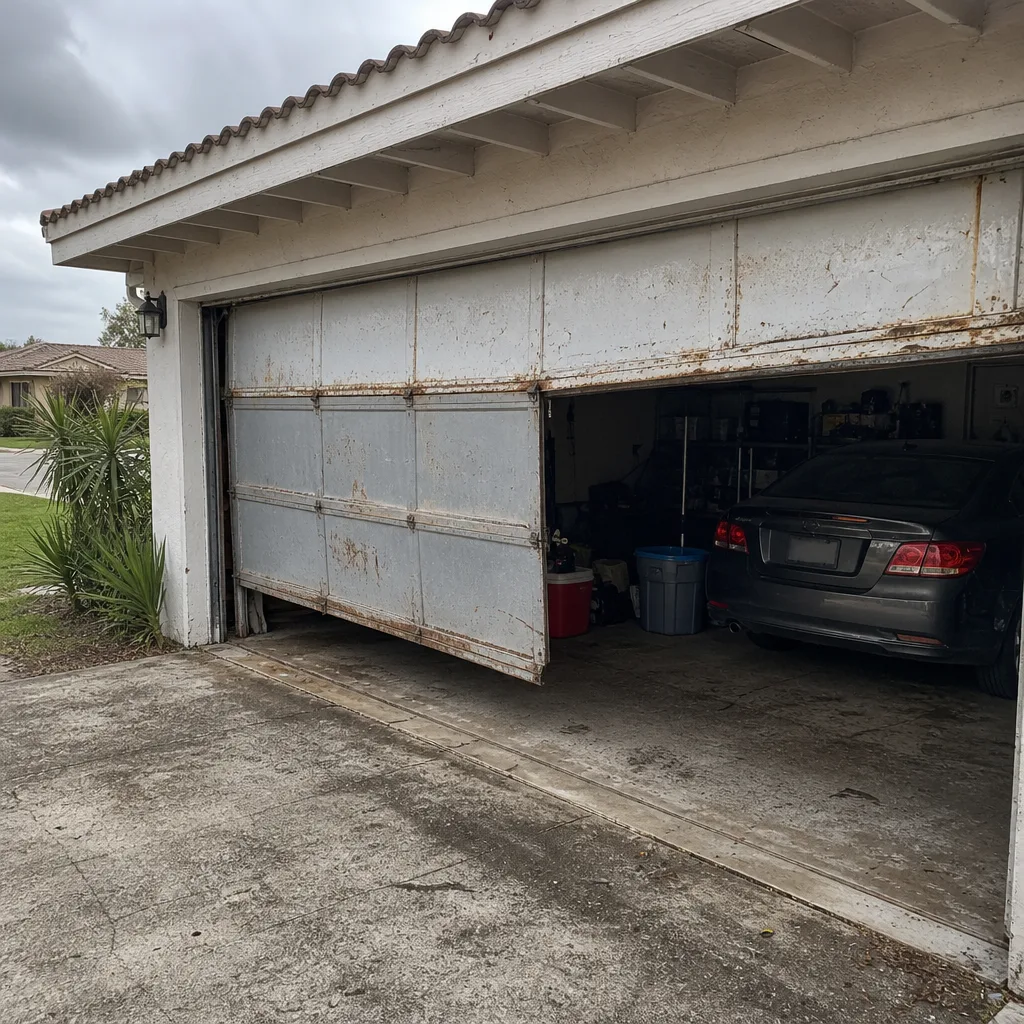 Before
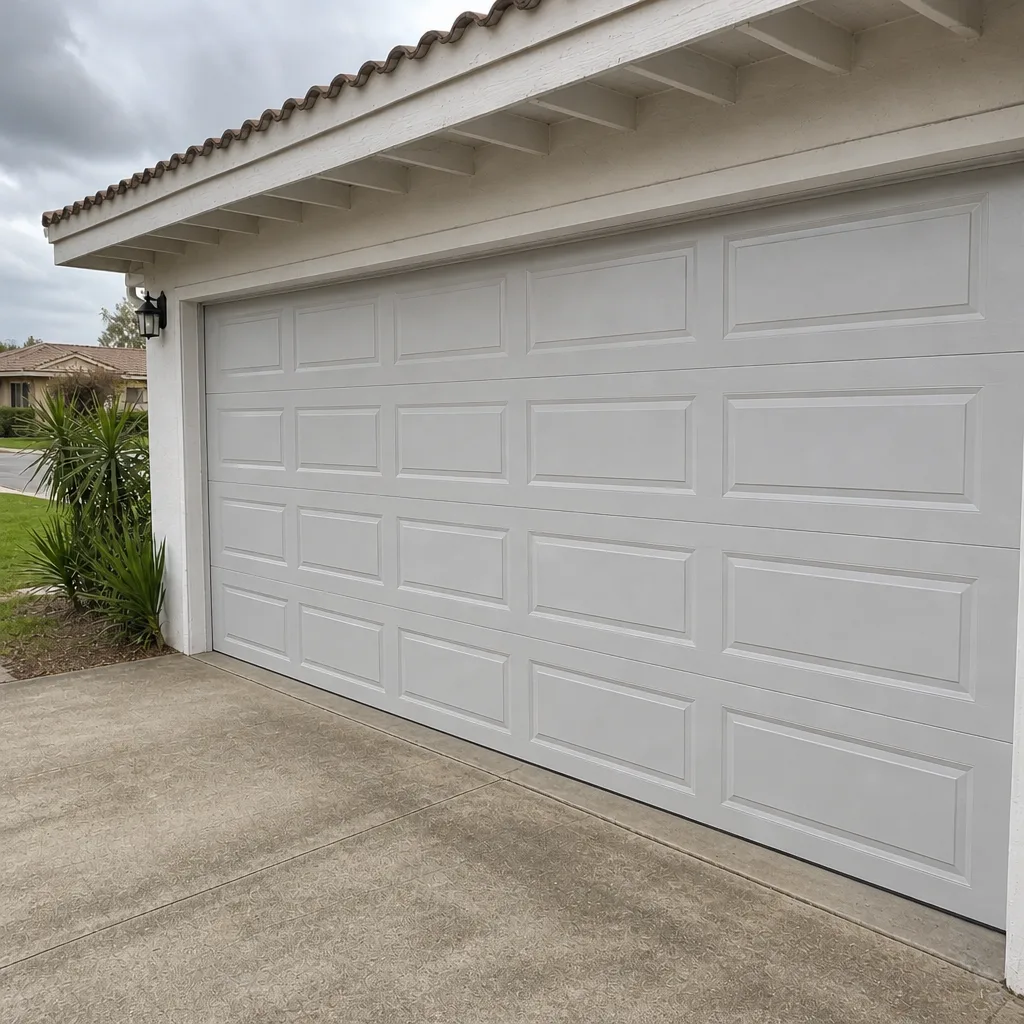 After
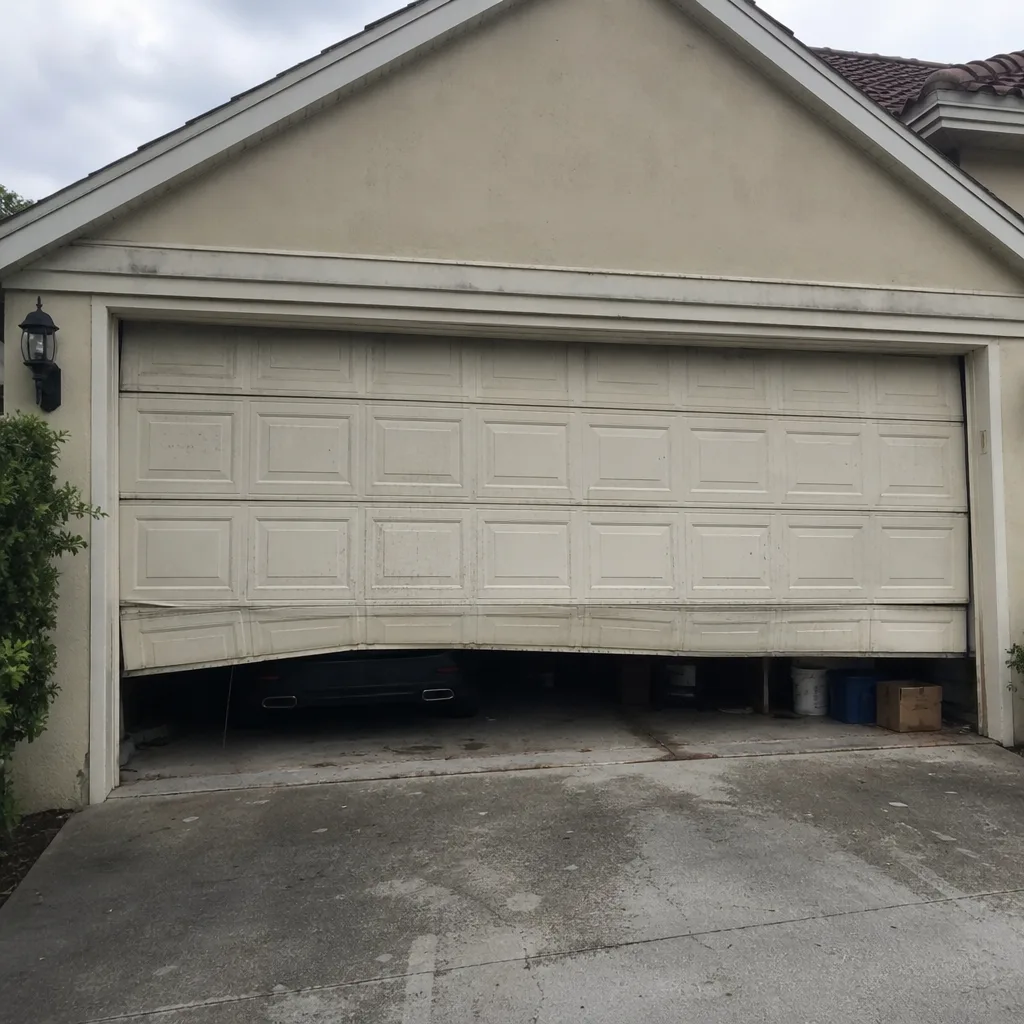 Before
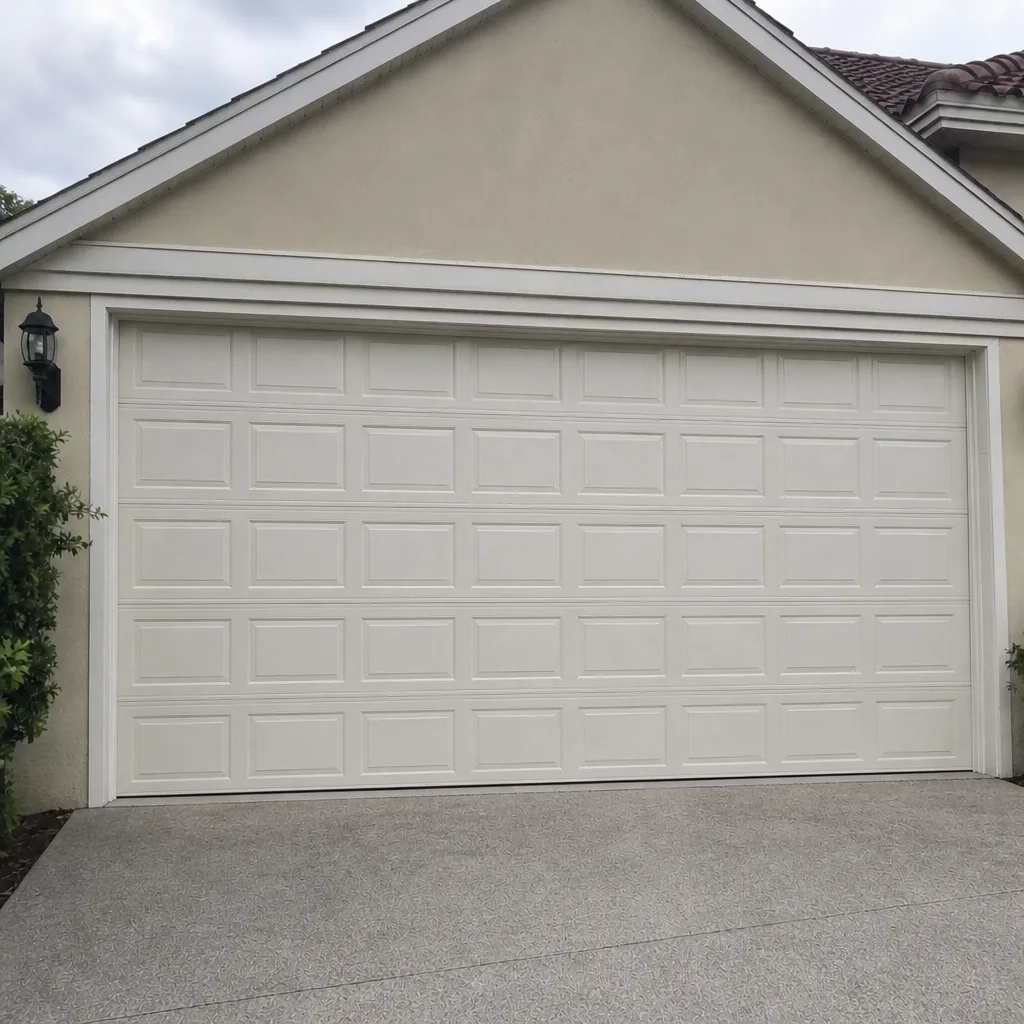 After
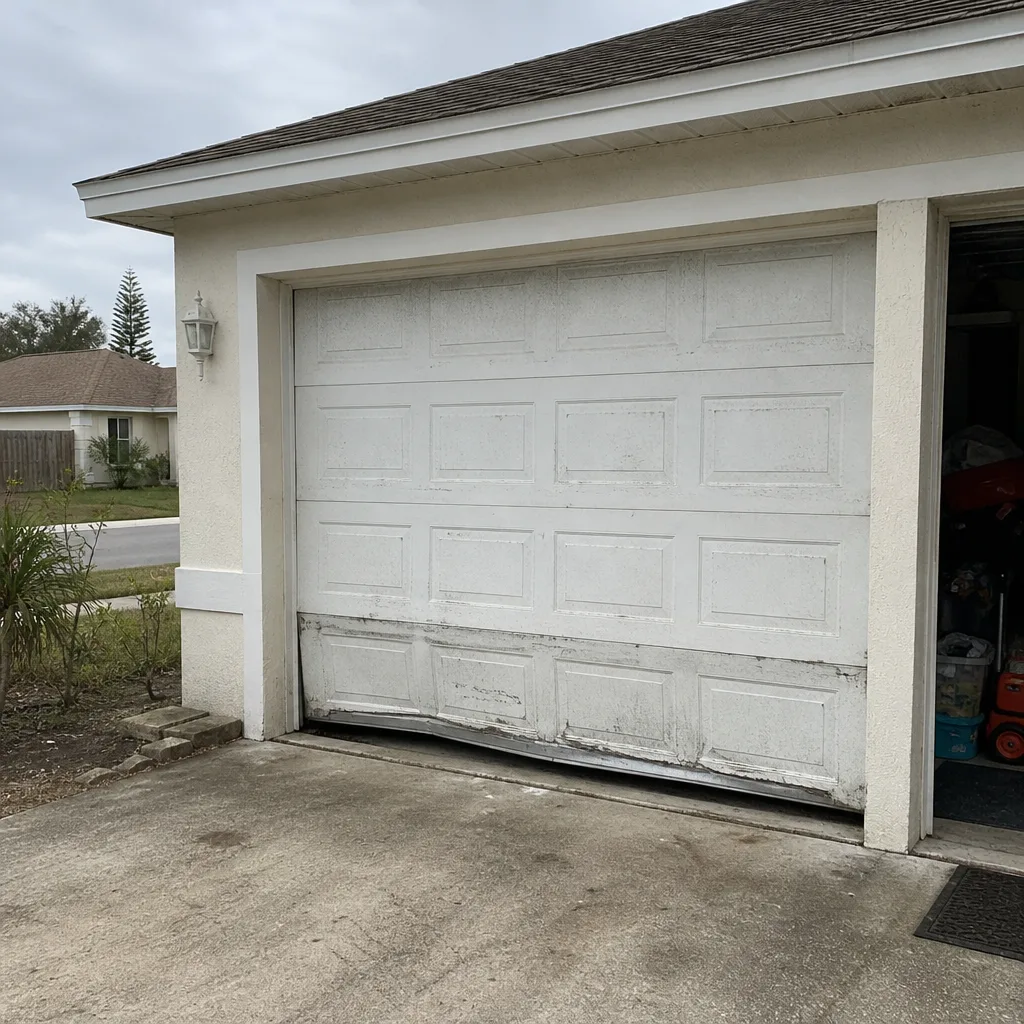 Before
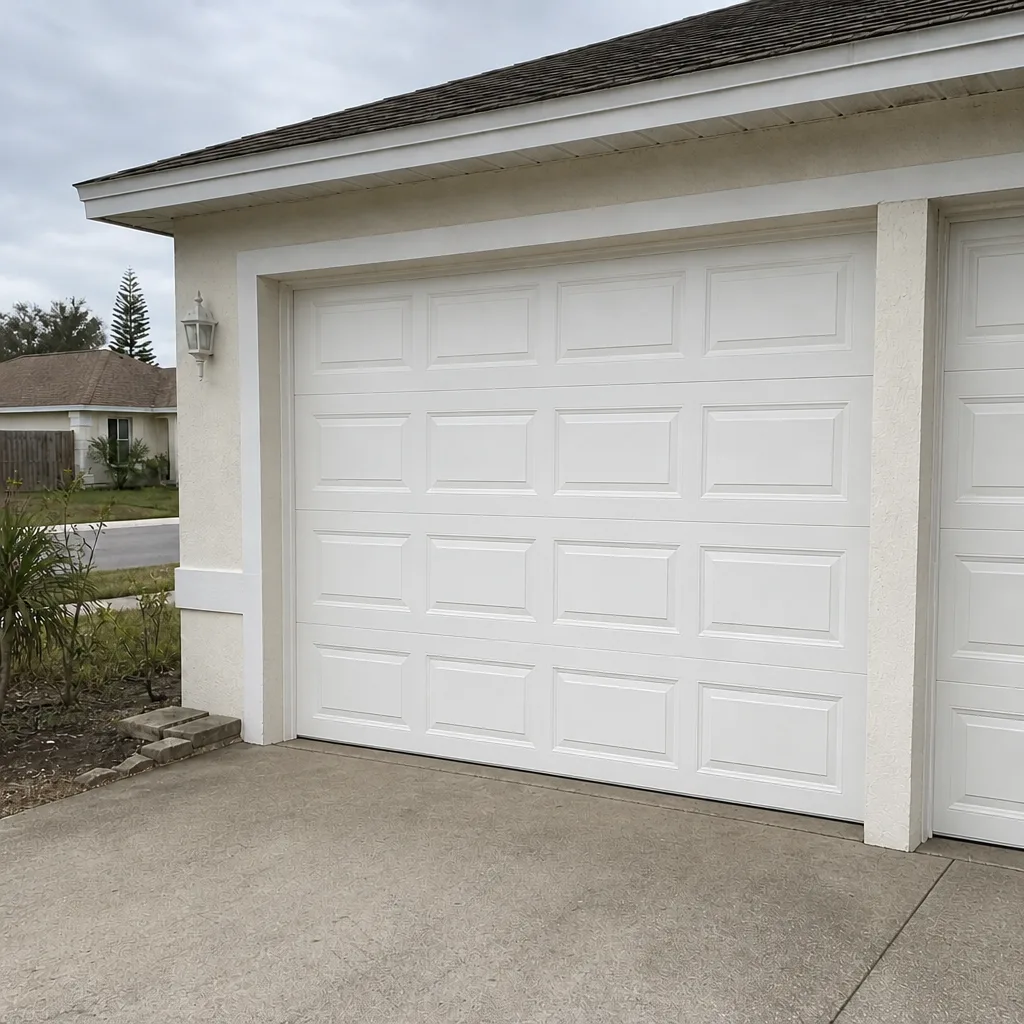 After
When to Call a Professional
Call a technician when the door’s spring system fails, when a cable snaps, when the door comes off its track, or when the opener stops working and the door won’t move. Those are the situations where the risk outweighs any savings from a self-fix, and where a proper diagnosis saves real money over guessing. Call us when a wind-rated replacement is on the table, so the scope and the compliance documentation are handled correctly from the start. And call us when the door fails and you can’t wait for a scheduled appointment. Wellington Garage Door Repair Co offers free estimates in Wellington – call (844) 913-0920. We answer 24/7. Fast dispatch from 7am to 7pm, Sunday through Friday.
Frequently Asked Questions
Most common repairs in Wellington run from about $120 for a simple cable or hardware fix up to roughly $650 for a matched spring pair, with opener replacements typically landing between $350 and $800 installed. Replacement of a full wind-rated door is a larger, separately quoted job. Every price is set per job by the written estimate, which we agree on with you before any work starts. Call (844) 913-0920 for an exact quote – estimates are free.
Two reasons: Florida Building Code compliance and local labor rates. A rated door assembly with rated anchoring and the required documentation is a different product from a standard door, and South Florida trades price above many inland markets. A quote that runs 20-40% above a national figure often reflects those two factors and nothing else. Call (844) 913-0920 and we’ll walk you through the line items.
Replacement work in Florida generally requires a permit, but the specifics depend on your jurisdiction and your project. Call your city’s building department to confirm what your project needs, and check that any contractor quoting you has included the permit as a line item. A permit line missing from a quote is a question worth asking. Call (844) 913-0920 to talk through scope before you commit.
Often we can. Emergency garage door service is a core part of what we do, and same-day service is available for repair work. We answer 24/7. Fast dispatch from 7am to 7pm, Sunday through Friday. If a call comes outside dispatch hours, we book it into the next opening. Call (844) 913-0920.
No. The price we quote and agree with you in writing is the number you pay. If we find something during the work that genuinely changes the scope – such as a damaged header behind the track – we stop and talk to you before anything is added. You’re never handed a larger invoice than the quote. Call (844) 913-0920 – estimates are free.
Yes. The local professional assigned to your job is licensed and insured as Florida requires. We also work across the major brands – LiftMaster, Chamberlain, Genie, Clopay, Amarr, Wayne Dalton, Craftsman, and Raynor – so your existing equipment is familiar. Our technicians have up to 11 years of experience. Call (844) 913-0920 for a free estimate.
The Bottom Line
Garage door pricing in Wellington isn’t a national average with a local markup. It’s a specific number shaped by wind-rated construction, code compliance, and a labor market that reflects South Florida. When a quote runs above a national figure, look for the itemized explanation – rated hardware, permit, opening prep, disposal – because a legitimate premium will always show its reasoning. Ask for the product approval, ask about the permit, and insist on a written, itemized estimate. The written estimate is what you pay, and you should agree to it before anyone starts. If you want a line-by-line comparison on your actual door, we’re glad to put one together.
For a free estimate on repair, replacement, or a new opener in Wellington, Wellington Garage Door Repair Co is one call for the full door – from an emergency spring repair to a planned new installation. Call (844) 913-0920. We answer 24/7. Fast dispatch from 7am to 7pm, Sunday through Friday.
If you’re weighing a repair against a full replacement, our garage door repair team can give you a straight diagnosis with a written price, whether it’s the door, the opener, or the springs.
Written by the team at Wellington Garage Door Repair Co.