
Last updated November 21, 2026
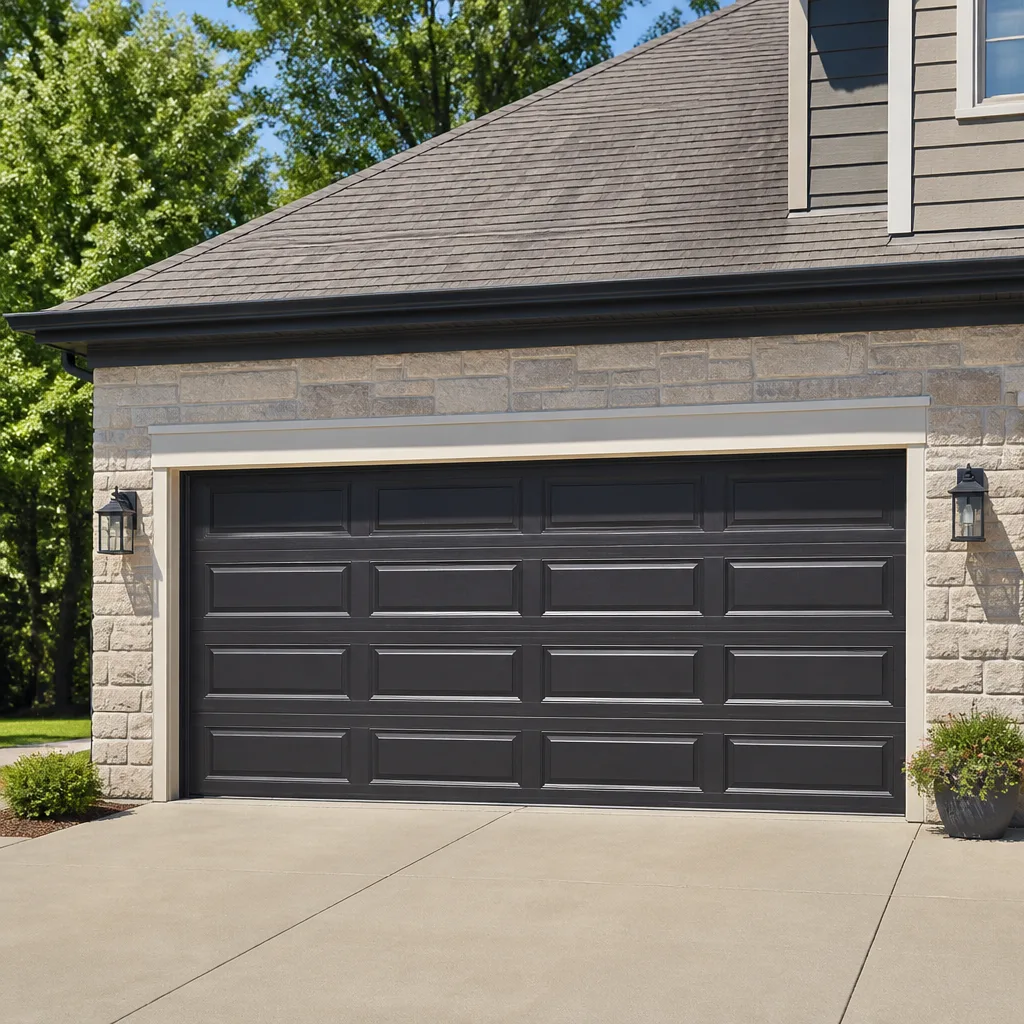 Raised-panel steel
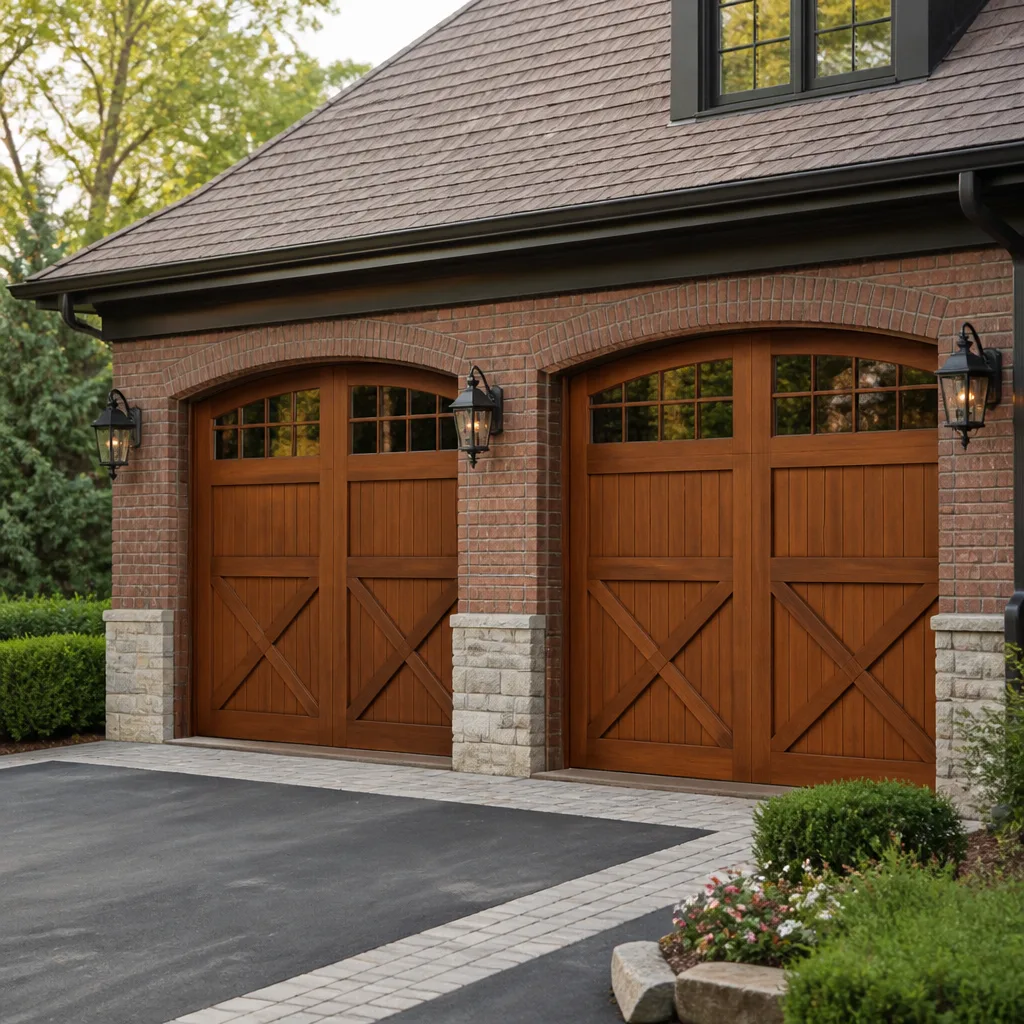 Carriage house
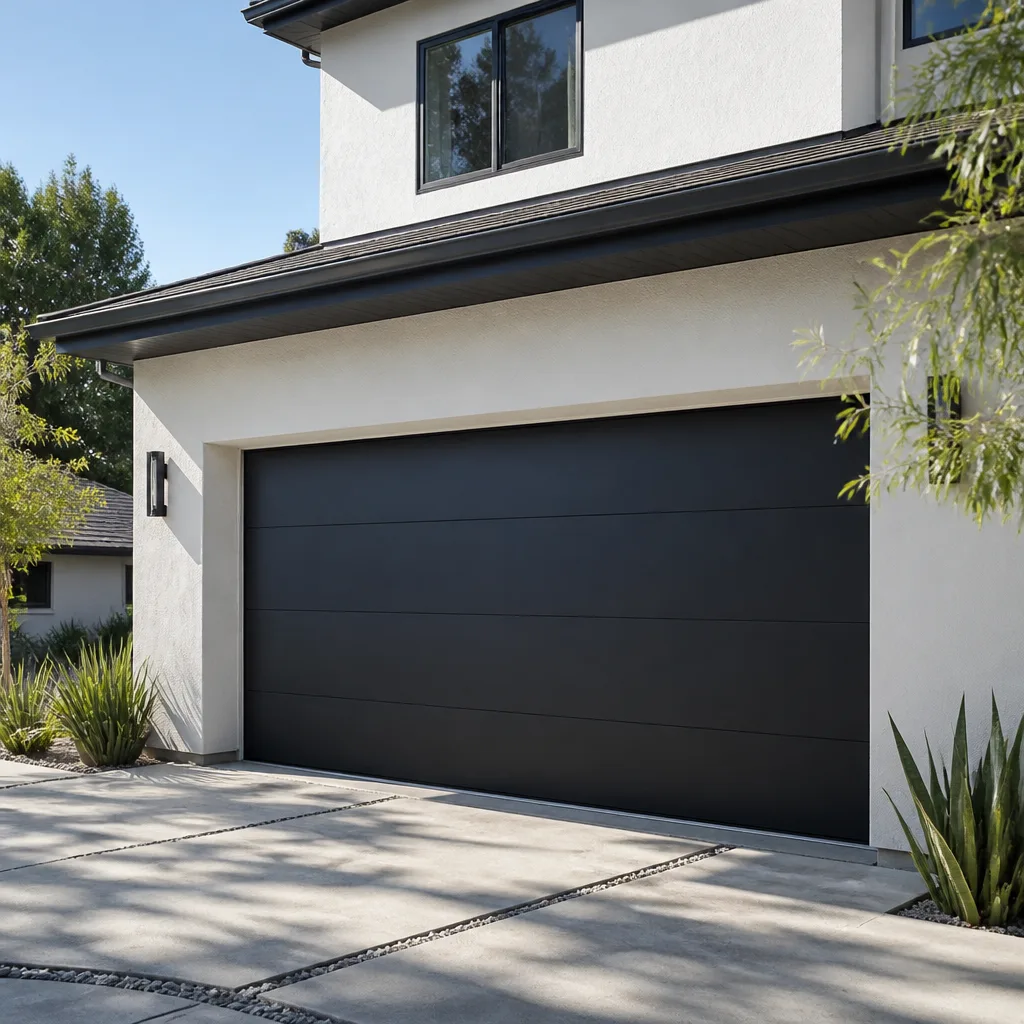 Modern flush
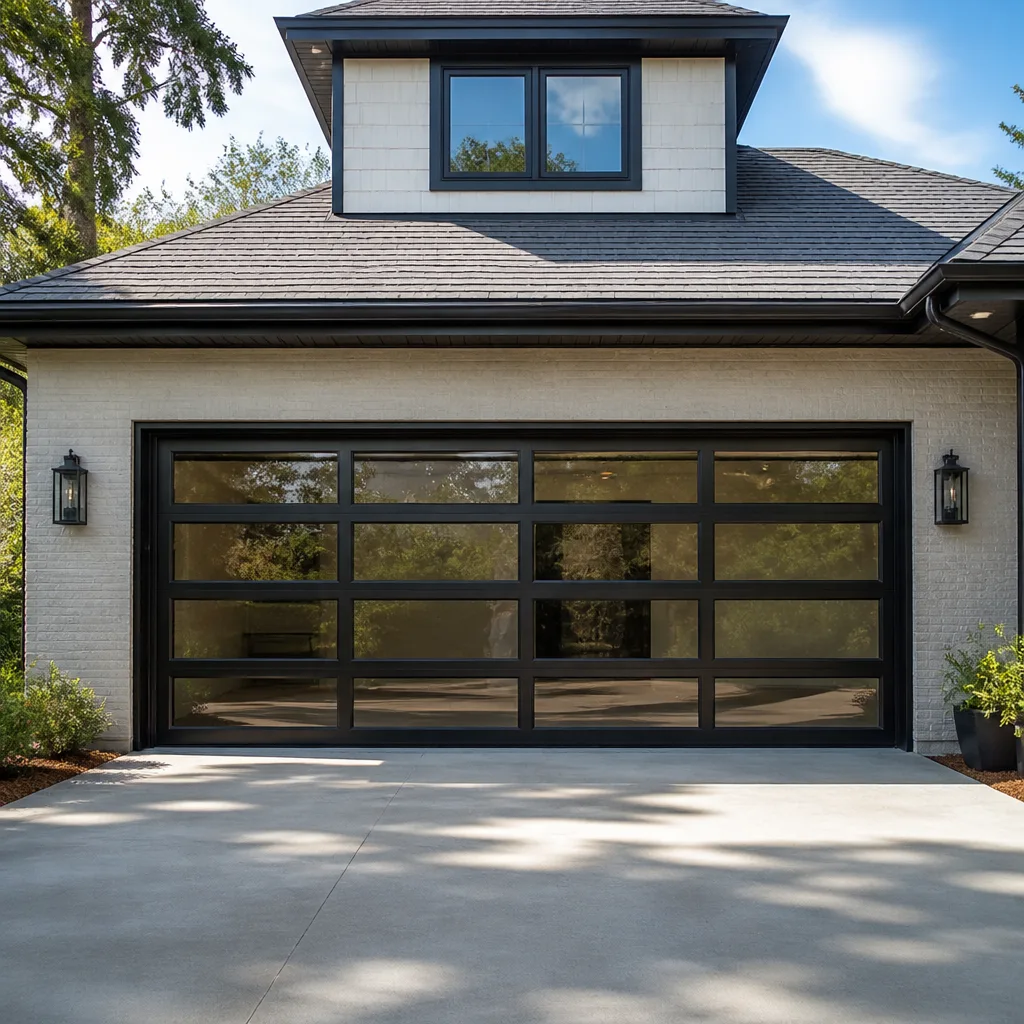 Full-view glass
 LiftMaster openers
 Chamberlain openers
Full 25-point door and opener safety check with every visit - springs, cables, rollers, tracks, and your LiftMaster or Chamberlain opener included
You get a price before we start. It does not change when the pro arrives.
Get your free estimateGarage Door Permits, Codes & Inspections in Wellington, FL: What You Need to Know
Most homeowners treat the permit question as paperwork to worry about later. In Wellington, that’s backward. The permit is the thread that connects three things people care about far more: whether your insurance pays after a storm, whether your door actually meets wind-load code, and whether your home sale closes without a last-minute scramble. Skip it to save some time and a filing step, and the problem tends to surface at the worst moment, during a renovation, an inspection, or a claim. This guide walks through which garage door projects need a permit in Palm Beach County, what the Florida Building Code requires of the product itself, how the application and inspection process actually runs, what a 4-point inspection looks at, and why HOA approval and a county permit are two different jobs. If you’re sorting out a Wellington garage door project and aren’t sure where the permit line falls, this is the page to keep open.
Quick Answer
In Wellington, a full garage door replacement generally requires a permit from Palm Beach County, and the door must carry a Florida Product Approval or a Notice of Acceptance (NOA) that shows it meets the wind-load requirements for your area. Routine repairs like spring, cable, roller, or opener work ordinarily don’t need a permit. When you do pull one, budget for a product-approval review, an inspection after installation, and a permit that most buyers’ inspectors and insurers will want to see in the record.
Styles & brands we work with
- Raised-panel steel
- Carriage house
- Modern flush
- Full-view glass
- LiftMaster openers
- Chamberlain openers
Table of Contents
- Which Garage Door Projects Need a Permit in Wellington?
- Wind-Load Requirements and the NOA Document
- How the Palm Beach County Permit Process Works
- What a 4-Point Inspection Checks on a Garage Door
- HOA Approval vs. County Permit: Why You Need Both
- Which Repairs Skip the Permit Altogether
- Common Mistakes to Avoid
Which Garage Door Projects Need a Permit in Wellington?
Replacing a garage door in Wellington generally needs a permit. Swapping out a worn torsion spring usually does not. The line between the two is the part that trips up most homeowners, because it’s not about cost or how big the job feels. It’s about whether you’re changing the rated assembly on the building.
A permit is typically required for:
- Full door replacement with a different door, even one of the same size. The wind-load rating and product approval change, so the county wants to review and inspect it.
- Changing the door type, such as moving from a standard panel door to a heavier insulated or impact-rated model.
- Structural changes to the opening, the header, or the track mounting that affect how the door is anchored.
- Adding or replacing an opener where the work involves new electrical circuits or structural mounting changes; opener swaps that are a straight like-for-like connection often fall outside permitting, but it’s worth confirming with the county.
- New construction or an added garage bay, which is permitted as part of the larger project.
A permit is usually not required for like-for-like replacement in the narrow sense the county defines it, and it isn’t required for repair work: springs, cables, rollers, hinges, weather seal, and opener repair within the existing wiring. The catch is that “like-for-like” has a specific meaning to a plans examiner, and a door that looks the same size to you may still be a different rated product. When in doubt, call the Palm Beach County building department and describe the job exactly. A two-minute phone call beats a stop-work order.
For Wellington homeowners in communities like Binks Estates or Sugar Pond Manor, the permit question often comes up alongside a repair decision: whether to fix the existing door or replace it. If a repair will do, you’re usually outside permitting entirely. That’s one reason we lead with repair first and replacement only when it makes sense.
Wind-Load Requirements and the NOA Document
Every garage door installed in Florida has to prove it can handle the wind pressure for its location, and that proof comes from a product approval document. This is the part of the code that matters most in Wellington and the part most homeowners have never heard of.
There are two documents you’ll see:
- Florida Product Approval – a state-level approval listing the door’s design pressure rating and the conditions it was tested under.
- Notice of Acceptance (NOA) – a Miami-Dade County product control approval, which is accepted statewide and often required on doors rated for high-velocity hurricane zones. Many impact-rated garage doors sold in South Florida carry an NOA.
Here’s how to verify the door you’re buying or that’s already in your garage has one:
- Ask the installer or manufacturer for the product approval number or NOA number for the specific door model and size.
- Look up that number in the state product approval system or on the manufacturer’s website. The document should match the model, the size, and the design pressure rating.
- Check the label or stamp on the door itself. Approved doors typically carry a permanent label listing the approval number and design pressure.
- Confirm the rating meets or exceeds what’s required for your area’s wind zone. Your county building department can tell you the design pressure your opening needs.
The design pressure matters because a garage door is a large, relatively light panel on the windward face of your house. If it fails, wind gets inside and the pressure can lift the roof. That’s the mechanism behind a lot of storm damage, and it’s why the approved product and correct anchoring aren’t optional. Never install a door without a valid approval for your zone, and never let anyone talk you into a door that “should be fine” without the paperwork. If the approval document isn’t available, the door isn’t approved for permitted installation.
This is where brand familiarity helps. We service doors from Clopay, Amarr, Wayne Dalton, and Raynor, among others, and we can pull the correct product-approval information for the specific model rather than guessing. If your existing door has lost its label, we can help you identify the model and track down the documentation.
How the Palm Beach County Permit Process Works
The Palm Beach County permit process for a garage door replacement is straightforward once you know the sequence. Most delays come from missing documents, not from the county being slow. Here’s how it typically runs, start to finish.
- Confirm your product and its approval. Before applying, lock in the exact door model, size, and design pressure rating, and get the NOA or product approval number in hand. The application stalls without it.
- Prepare the application. You or your contractor submits a permit application to Palm Beach County’s building division, usually through its online portal, with the product approval documents, a scope of work, and the property information. A licensed contractor can typically pull the permit on your behalf.
- Plan review. The county reviews the submittal to confirm the product approval, the wind-load rating, and the scope match the code. Straightforward replacements often move through quickly; anything unusual may get a reviewer’s comments and a request for more information.
- Permit issued. Once approved and the fees are paid, the permit is issued and work can begin.
- Installation. The door goes in per the approved plans and the manufacturer’s installation instructions, including the specific anchoring pattern the approval requires.
- Inspection. After installation, you request an inspection. The inspector checks the door, the labeling, the anchoring, and the safety features. If something’s off, you get a correction notice and a re-inspection.
- Final approval and closeout. Once it passes, the permit is closed and the record shows the work was permitted and inspected. That record is what shows up when a buyer’s inspector or your insurer looks.
Realistic timelines vary with county workload and how complete your submittal is. A clean, well-documented application moves faster than one that gets kicked back for a missing approval number. On the scheduling side, inspections usually need to be requested through the county and are assigned a window, so plan for a short gap between installation and the inspection pass. Build that gap into any larger renovation schedule so it doesn’t hold up the next trade.
If the door won’t operate in the meantime, or a spring lets go mid-project, that’s a garage door repair situation separate from the permitting. Repair work doesn’t wait on the county, and it doesn’t need one.
What a 4-Point Inspection Checks on a Garage Door
Insurance carriers in Florida commonly require a 4-point inspection on older homes, and the garage door is part of what gets examined. The four points are typically the roof, the electrical system, the plumbing, and the HVAC, but inspectors also note the garage door’s condition, its wind rating, and whether the installation looks permitted. Understanding this helps you avoid surprises at renewal or closing time.
On the garage door specifically, a 4-point or wind-mitigation inspection tends to look at:
- Wind-load rating and labeling – whether the door carries a visible product approval label and matches the rating required for the opening.
- Condition of the door and hardware – panels, track, hinges, and whether the door is damaged or deteriorated.
- Anchoring and attachment – whether the door is secured to the structure in the pattern the approval requires.
- Presence of a permit record – whether there’s a documented, inspected installation on file with the county.
Permitted versus unpermitted work is the crux here. A door that was installed without a permit may not have a documented product approval, may not have been inspected, and may raise a question with an insurer or a buyer’s inspector. That’s not automatically a denial, but it’s a red flag that gets investigated, and an investigation can delay a closing or prompt a request for documentation you don’t have. Getting the permit at installation time is the cheapest and simplest way to have the record when someone asks.
Wind-mitigation inspections, which some carriers offer and which can affect premiums, also look closely at the garage door and its rating. A properly permitted, correctly labeled impact-rated door tends to fare well in those inspections. One installed without documentation tends to raise questions. We can’t promise what any insurer will decide, but we can tell you that a clean permit record removes one common source of friction. If you’re not sure what your door’s paperwork looks like, we can help you figure out what’s on file.
HOA Approval vs. County Permit: Why You Need Both
Wellington has a lot of deed-restricted communities, and that means many garage door projects need two separate approvals: the HOA’s architectural review and the county permit. They are not the same process, they don’t talk to each other, and one does not satisfy the other.
The HOA approval is about appearance and community standards. It governs the door’s style, color, panel design, window configuration, and sometimes the material. The county permit is about safety, structural adequacy, and code compliance. The HOA doesn’t care whether your door meets the wind-load rating; the county doesn’t care whether it matches your neighbor’s.
Here’s the order that saves the most time:
- Start with the HOA. Get the architectural review guidelines and submit your proposed door, color, and style for approval first. HOA review can take time, and you don’t want to order a door the association then rejects on appearance.
- Once the HOA approves, confirm the approved door has a valid product approval or NOA. The door the HOA likes has to be one the county will permit.
- Apply for the county permit with the approved product documents.
- Install only after both are in hand. If you install on HOA approval alone and the county permit later requires a different rated product, you may be pulling the door back out.
The reverse order is a common mistake. Homeowners order a door, install it, then submit to the HOA and discover the color or style isn’t allowed. Now they’re either appealing or replacing. Starting with the HOA and confirming the county side in parallel is the sequence that avoids rework.
In our experience around Wellington’s deed-restricted neighborhoods, the HOA piece takes longer than people expect, and it’s the one that most often surprises a homeowner who assumed the county permit was the hard part. Get the association guidelines first and read them fully before you fall in love with a door style.
Which Repairs Skip the Permit Altogether
Most of what a garage door actually needs over its life is repair, not replacement, and repair work ordinarily doesn’t require a permit. Knowing the difference keeps you from over-filing and keeps a failing door from waiting on paperwork it doesn’t need.
Repairs that typically don’t need a permit:
- Spring replacement – torsion or extension springs. This is garage door spring repair, and it’s the most dangerous repair on the door. High-tension springs can cause serious injury, so this is a job for a trained technician, not a weekend project.
- Cable, roller, and hinge replacement – the moving hardware that wears out.
- Opener repair and like-for-like opener replacement within existing wiring. If you’re moving to a different opener with new circuits or structural mounting changes, confirm with the county whether a permit applies.
- Weather seal, bottom seal, and trim – the pieces that seal the opening.
- Panel replacement on a door where the rated assembly isn’t changing, though this is worth confirming if the door carries a wind rating you need to preserve.
We work on openers from LiftMaster and Chamberlain, along with legacy units, and most opener problems are a garage door opener repair rather than a replacement. A dead opener doesn’t usually mean a new door any more than a bad spring does. Repair first, replace only when it makes sense, and only permit what the county actually requires.
One caution on springs: they’re the highest-risk component on any garage door, and a broken spring can leave the door stuck, or worse, drop it. Don’t try to wind or unwind a torsion spring yourself. Our technicians have up to 11 years of experience with exactly this kind of work, and it’s a job worth handing off.
Same-Day Repair and the Permit Question
Repair and permitting run on different clocks, and it helps to keep them straight. A door that won’t open, a snapped spring, or a failed opener is a repair problem, and repair work doesn’t wait on the county. If your door fails in Wellington, call us. We answer 24/7, and fast dispatch from 7am to 7pm, Sunday through Friday, gets a technician out to diagnose and fix it. A call outside dispatch hours is booked into the next opening.
A replacement, by contrast, is measured, ordered, approved, and scheduled. That’s the work that goes through the permit and inspection sequence, and it can’t be rushed the way a repair can. Understanding which clock you’re on keeps the permit process from feeling like an obstacle when all you need is a fix, and keeps a broken door from being patched when it actually needs replacing.
If you’re not sure which side of the line you’re on, describe the problem and we’ll tell you honestly. A door that just needs a spring doesn’t need a permit, and it doesn’t need a new door. When the door itself has reached the end of its life, that’s when the permit and product-approval conversation starts, and we’ll walk through it with you.
Common Mistakes to Avoid
- Installing without a permit to save time. The permit is the record that protects you later. Skipping it to save a filing step is one of the most common and most costly shortcuts in Wellington, because the problem surfaces during a sale or a claim, when you can least afford a delay.
- Ordering the door before the HOA approves it. Deed-restricted communities in Wellington have architectural guidelines, and a door the county will permit may still be rejected on color or style. Get the association’s approval first, then confirm the county side.
- Assuming a same-size door is exempt. A different door model is a different rated product, even at the same dimensions. Confirm the product approval and whether a permit applies before you install.
- Never verifying the NOA or product approval. A door sold without a valid approval number for its size and design pressure isn’t permitted installation. Ask for the number and look it up.
- Letting the inspection slip. Failing to schedule or pass the final inspection leaves the permit open, and an open permit can hold up a closing. Build the inspection into the project timeline.
- Replacing when a repair would do. A failing spring or opener is a repair, not a replacement, and repair skips the whole permit process. Get a diagnosis before you assume the door is done.
- Trying to handle springs yourself. Torsion and extension springs are under high tension and can cause serious injury. This is the one repair on the door that should always go to a trained technician.
See the difference
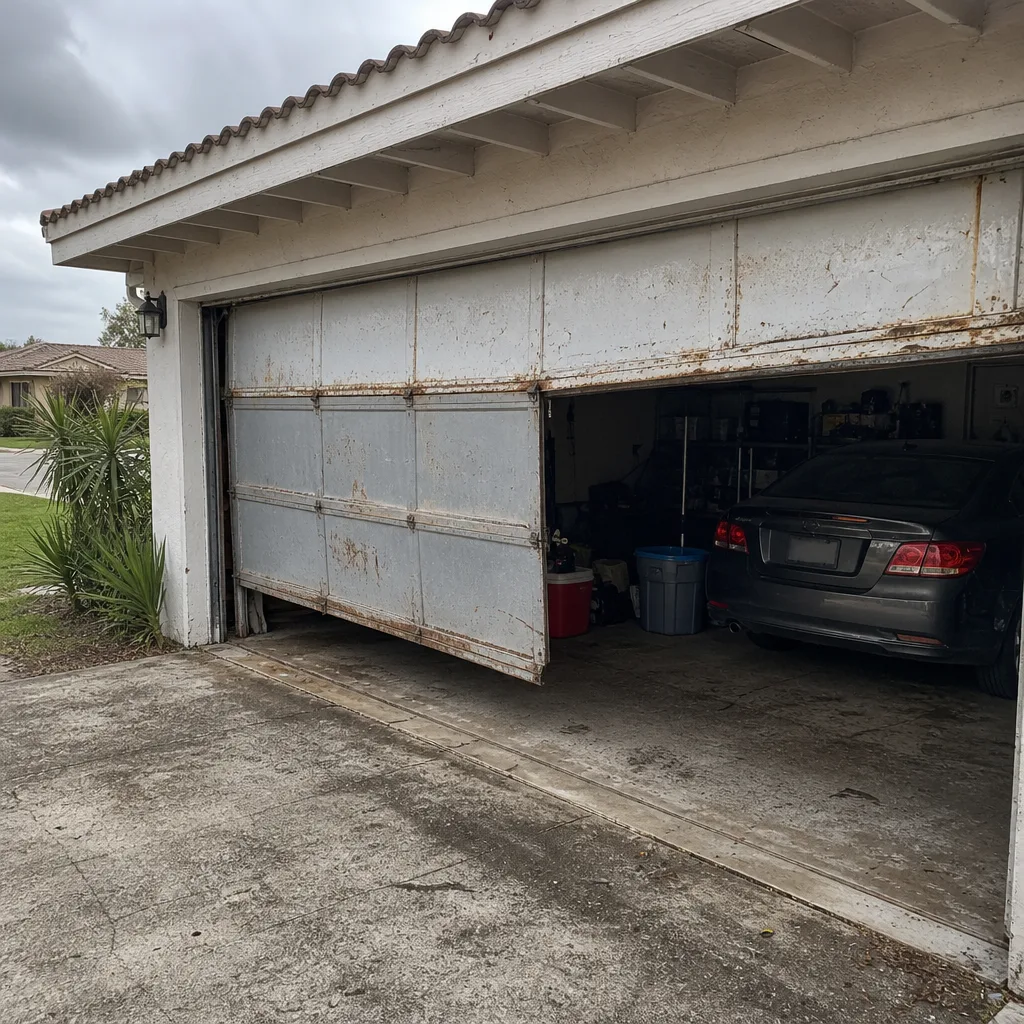 Before
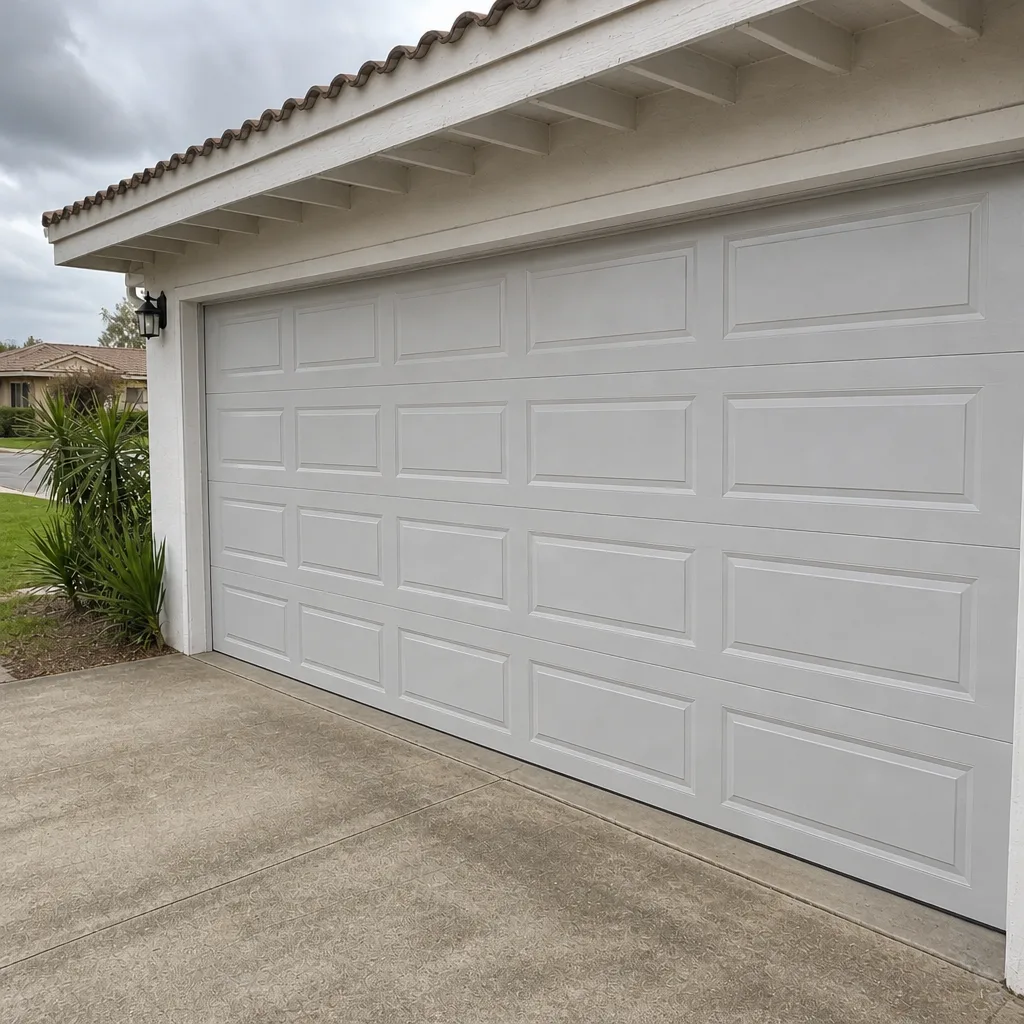 After
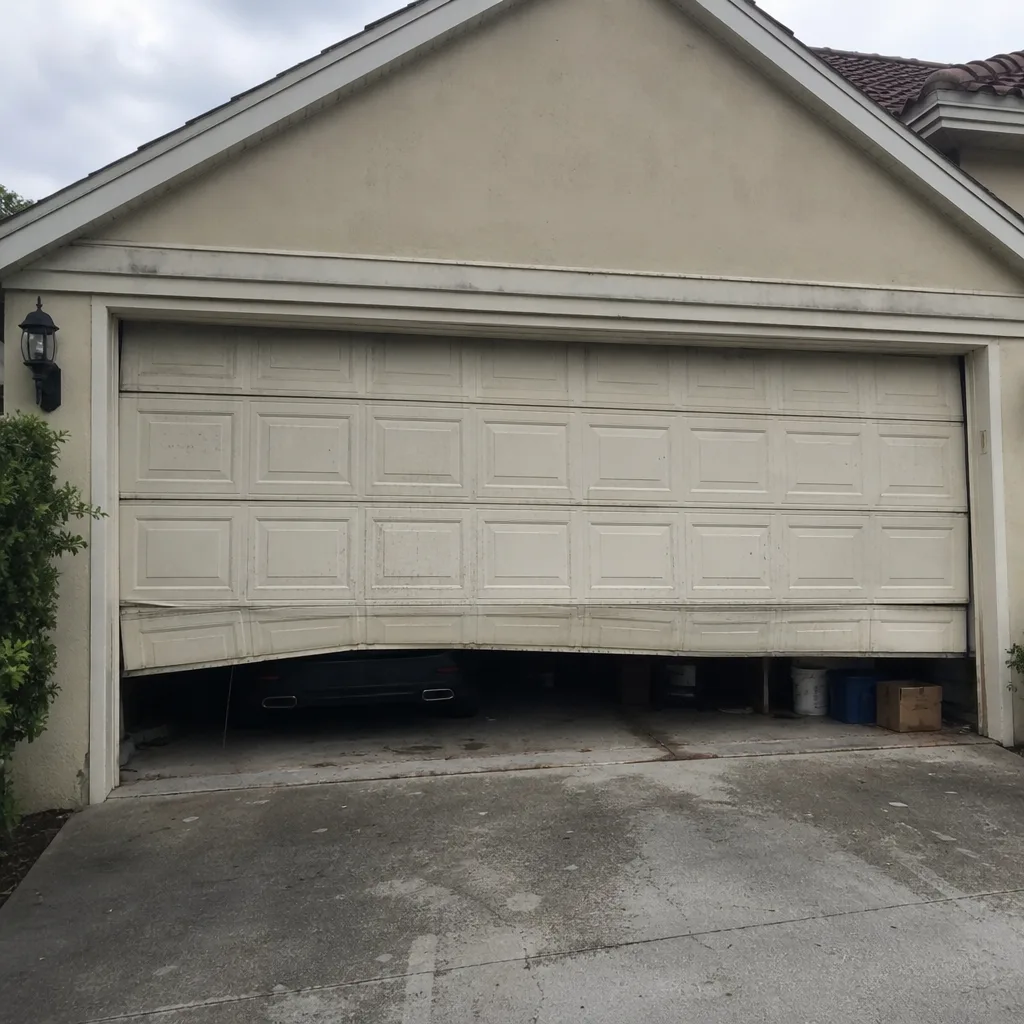 Before
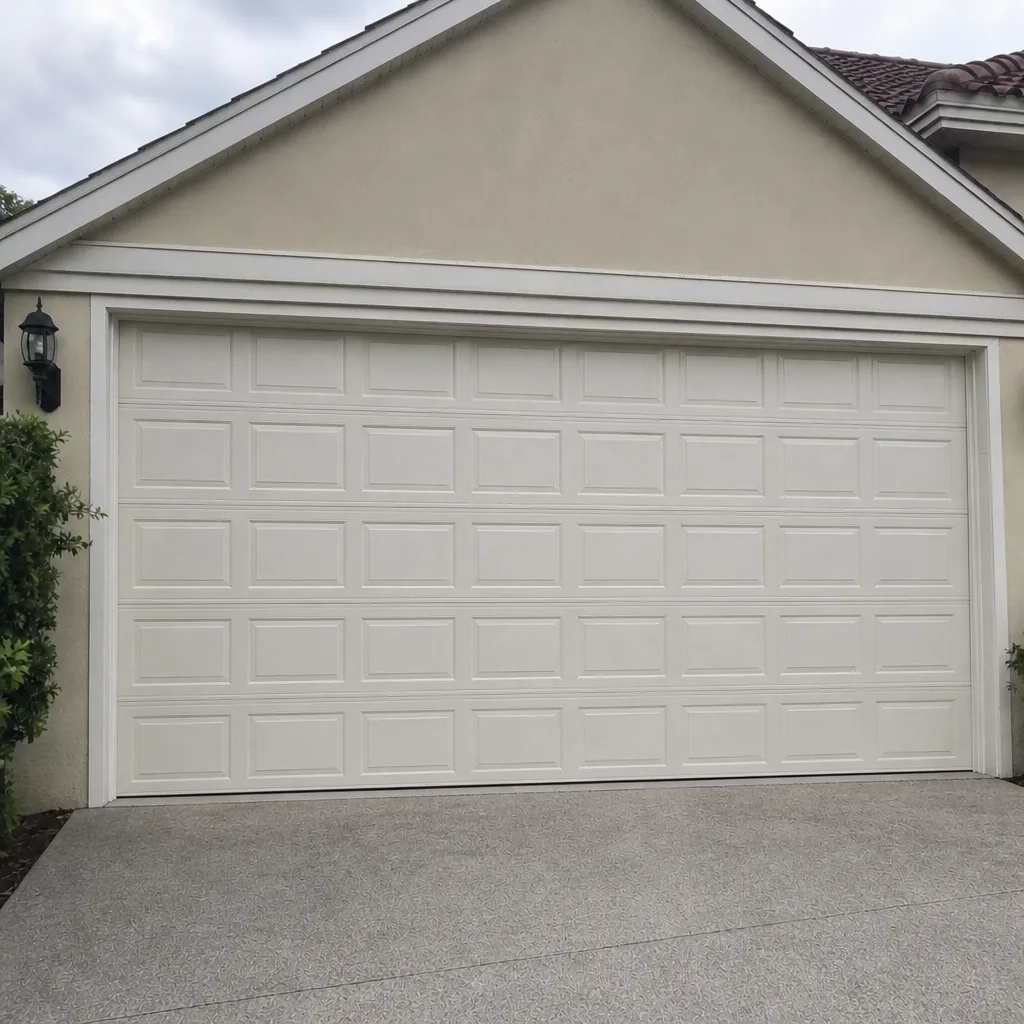 After
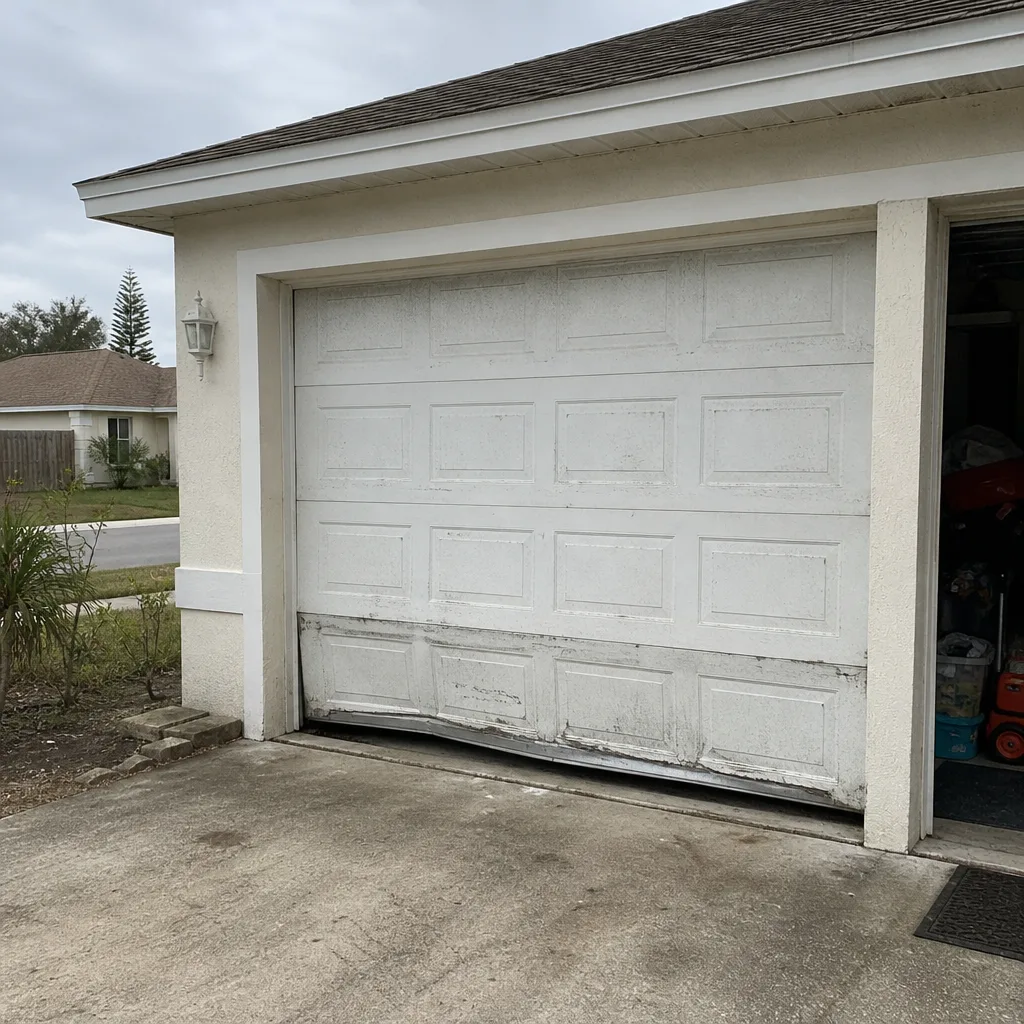 Before
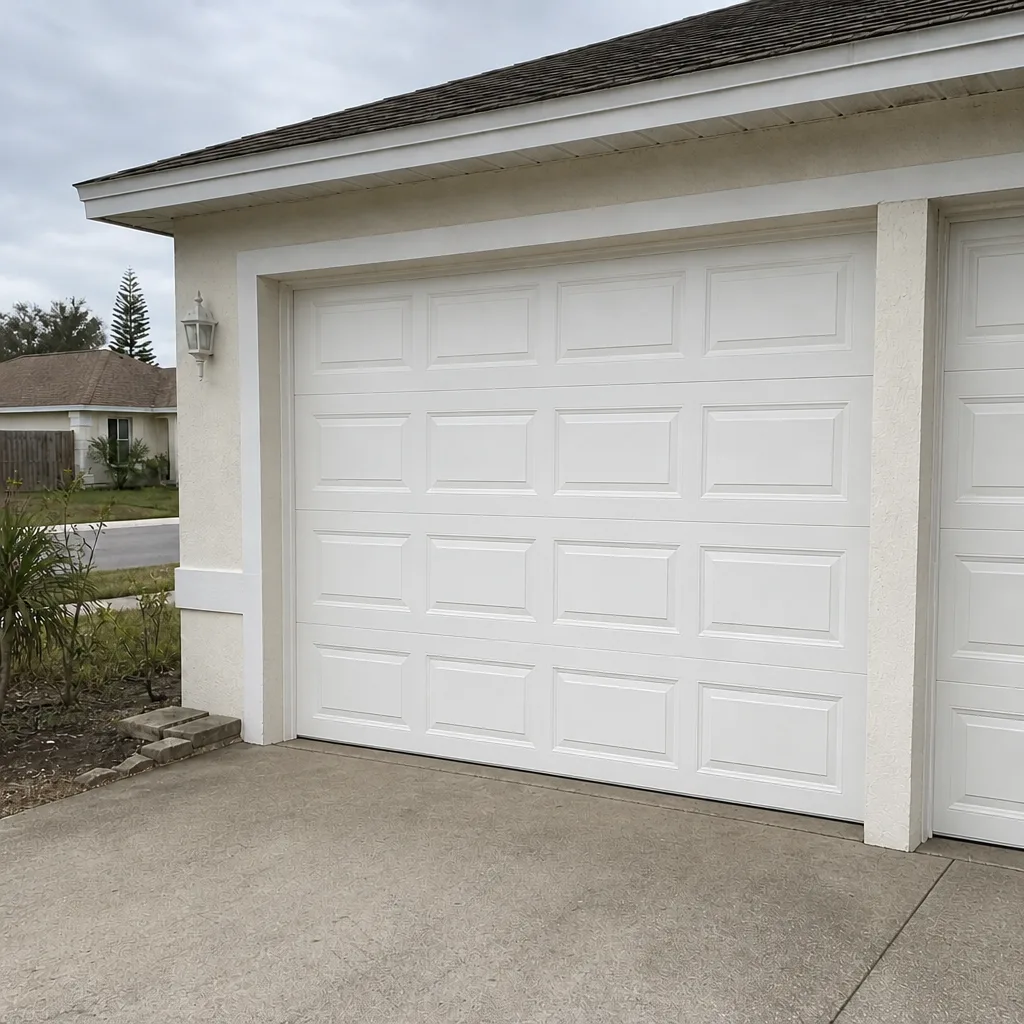 After
When to Call a Professional
Call a technician when a spring breaks, when the door won’t open or close evenly, when the opener won’t respond, when the door comes off its track, or when a panel is damaged enough to affect how the door seats. Any of these can leave your car stuck or the door stuck open. For a full replacement, call before you order anything, so the product approval, the HOA approval, and the permit are sorted in the right order. Wellington Garage Door Repair Co works on your brand, including LiftMaster, Chamberlain, Genie, Clopay, Amarr, Wayne Dalton, Craftsman, and Raynor, so the diagnosis and the paperwork both start from someone who already knows your equipment. We offer free estimates in Wellington. Call (844) 913-0920. We answer 24/7, and fast dispatch from 7am to 7pm runs Sunday through Friday.
Frequently Asked Questions
In most cases, yes. A full garage door replacement in Palm Beach County generally requires a permit, and the door must carry a Florida Product Approval or an NOA showing it meets the wind-load rating for your opening. Routine repairs like springs and opener fixes usually don’t need one. Call (844) 913-0920 for a free estimate and we’ll help you sort out which side of the line your project falls on.
An NOA (Notice of Acceptance) is a Miami-Dade County product control approval showing a door has been tested to a specific wind-load rating, and it’s accepted statewide, including in Palm Beach County. Many impact-rated garage doors sold in South Florida carry one. The NOA number should match the exact model and size of your door, and it’s what a plans examiner reviews during the permit process. If you don’t have the number, ask the installer or manufacturer for it before you install.
Yes, most repairs do. Spring replacement, cable and roller work, opener repair, and weather seal replacement typically don’t require a permit, because they don’t change the rated assembly on the building. Only replacement or structural changes usually trigger permitting. So if your door is failing but the door itself is sound, a repair is usually the faster and simpler route. Call (844) 913-0920 and we’ll diagnose whether a repair will do.
It can delay a closing or trigger a documentation request from an insurer. A buyer’s 4-point inspection and wind-mitigation inspection look at the door’s wind rating and whether the installation is on file with the county. Unpermitted work may not have a documented product approval or an inspection record, which raises questions that get investigated. It isn’t automatically a denial, but it’s a complication that a clean permit record prevents. The estimate is free if you want us to look at your door’s paperwork.
You may need both, and they’re separate processes. The HOA architectural review governs the door’s appearance, color, and style, while the county permit governs the wind-load rating and code compliance. Start with the HOA, then confirm the approved door has a valid product approval or NOA, then apply for the county permit. Doing it in that order avoids ordering a door the association rejects or the county won’t permit.
No. We quote the price and agree it with you before any work starts, and the written estimate sets the final price. That applies whether it’s a repair or a replacement. Call (844) 913-0920 for an exact quote. Estimates are free.
The Bottom Line
In Wellington, the garage door permit isn’t red tape to dodge; it’s the record that protects you when an insurer or a buyer asks questions later. Full replacements generally need a permit and a valid Florida Product Approval or NOA, while routine repairs like springs and openers usually don’t. Start with the HOA, confirm the county side, install only when both are in hand, and build the inspection into the timeline. Work with a crew that already knows your brand and leads with repair first, and the process stops feeling like an obstacle. Do it in that order and the paperwork stays a checklist, not a crisis.
Written by the team at Wellington Garage Door Repair Co.
Contact
Have a Wellington garage door project and want the permit and product-approval questions sorted before you start? We work on your brand and can help you figure out what’s required and what isn’t. Call (844) 913-0920 for a free estimate. We answer 24/7, and fast dispatch from 7am to 7pm runs Sunday through Friday. If you’d rather start with the full range of what we do, our Wellington Garage Door Repair Co page covers repair, opener work, springs, and installation, so it’s one call from the first fix to a full new door.