
Last updated November 21, 2026
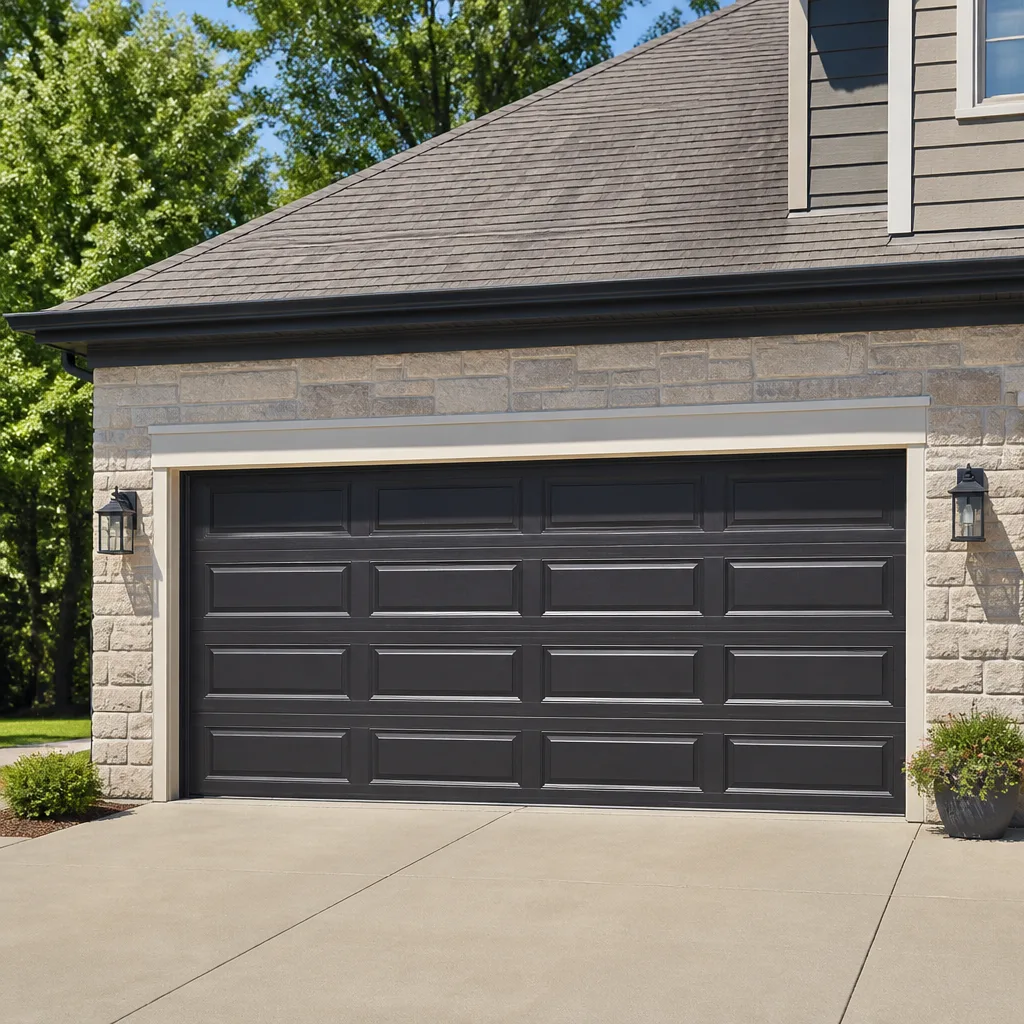 Raised-panel steel
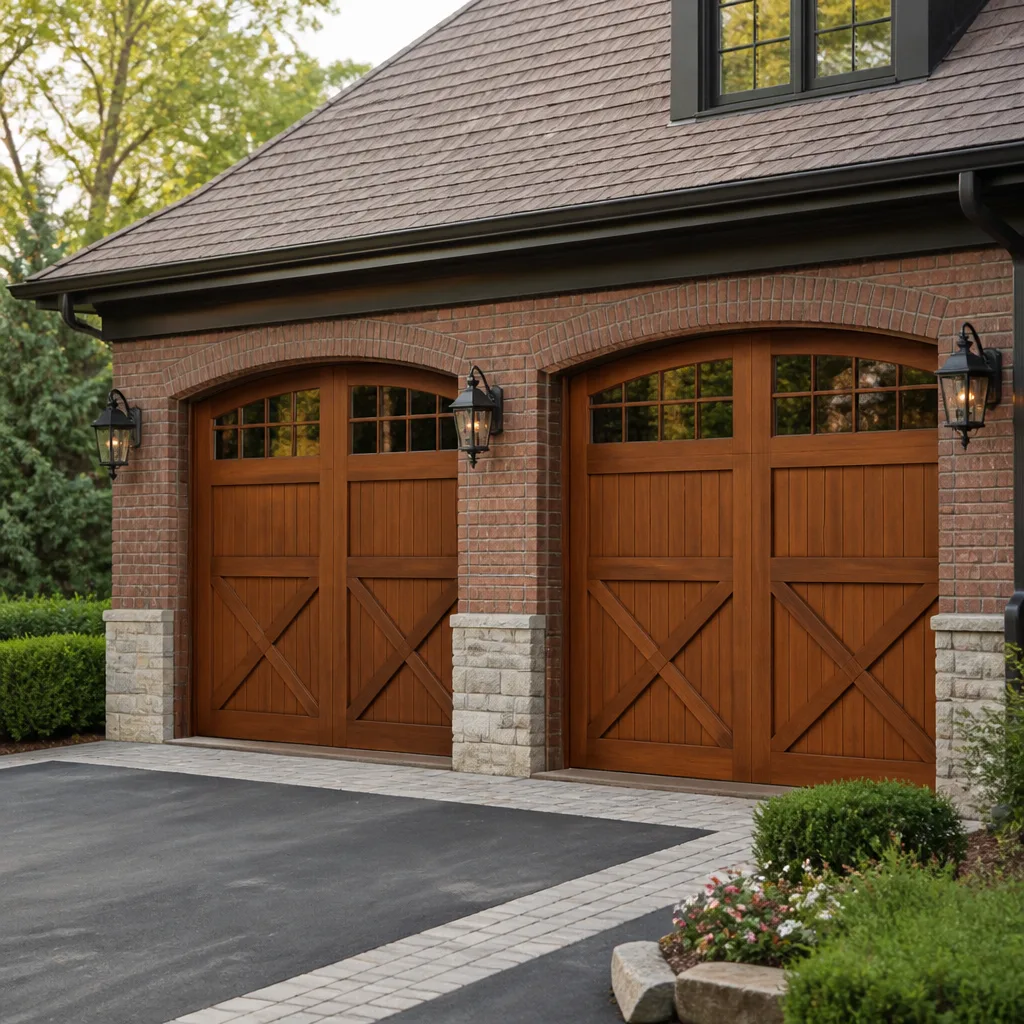 Carriage house
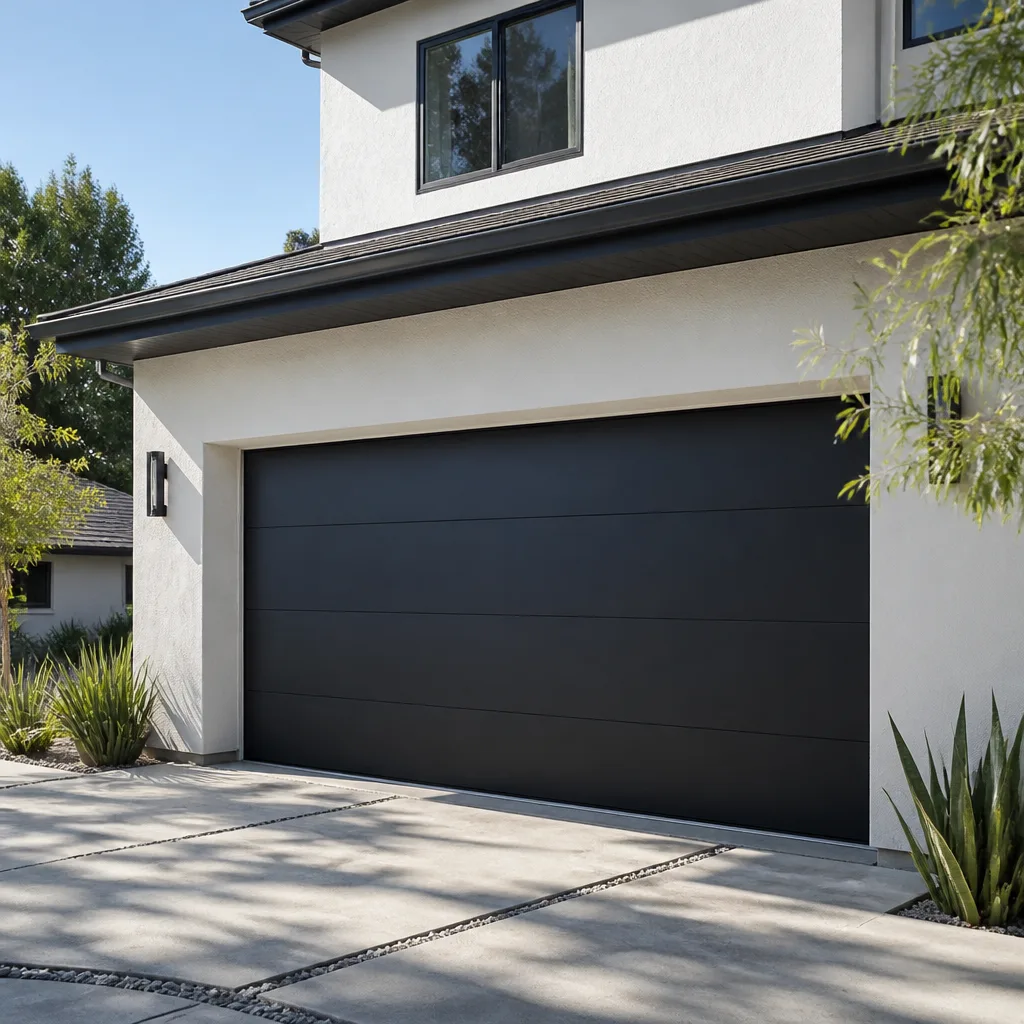 Modern flush
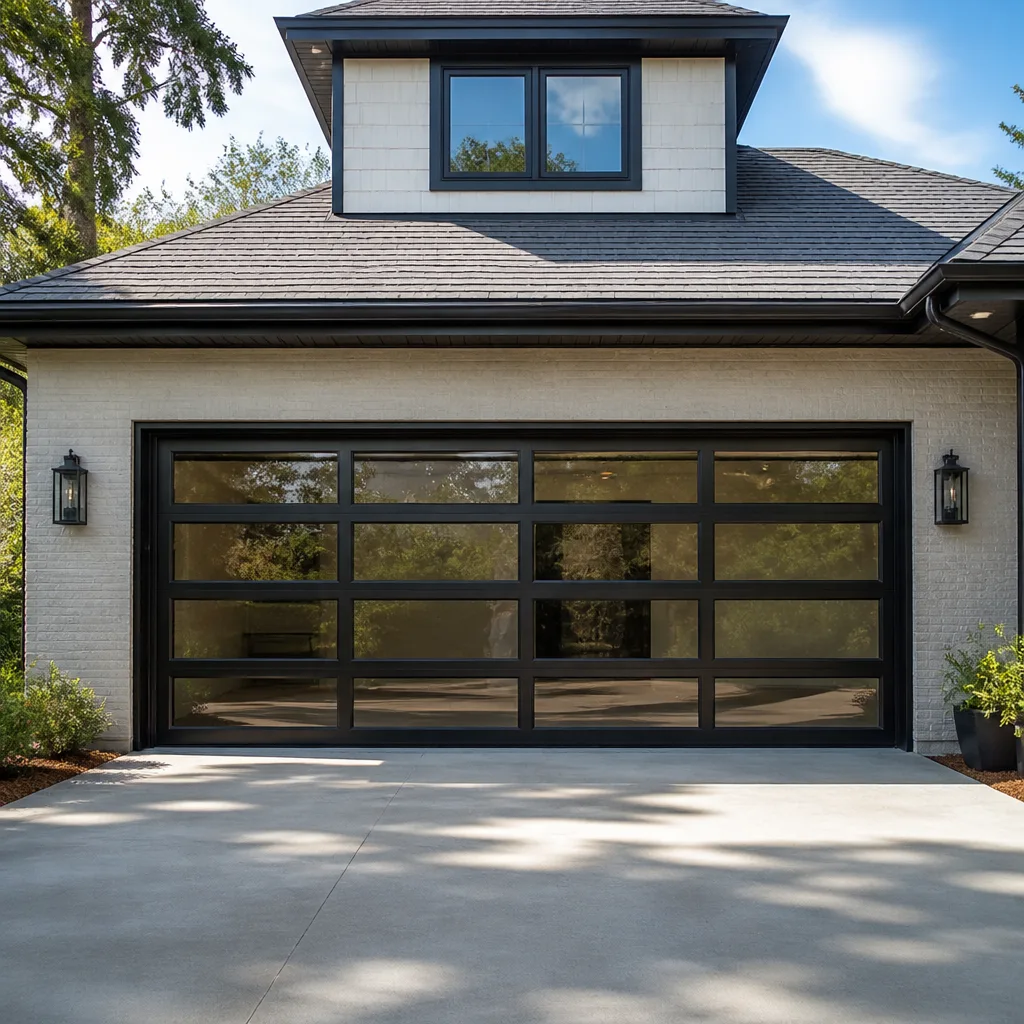 Full-view glass
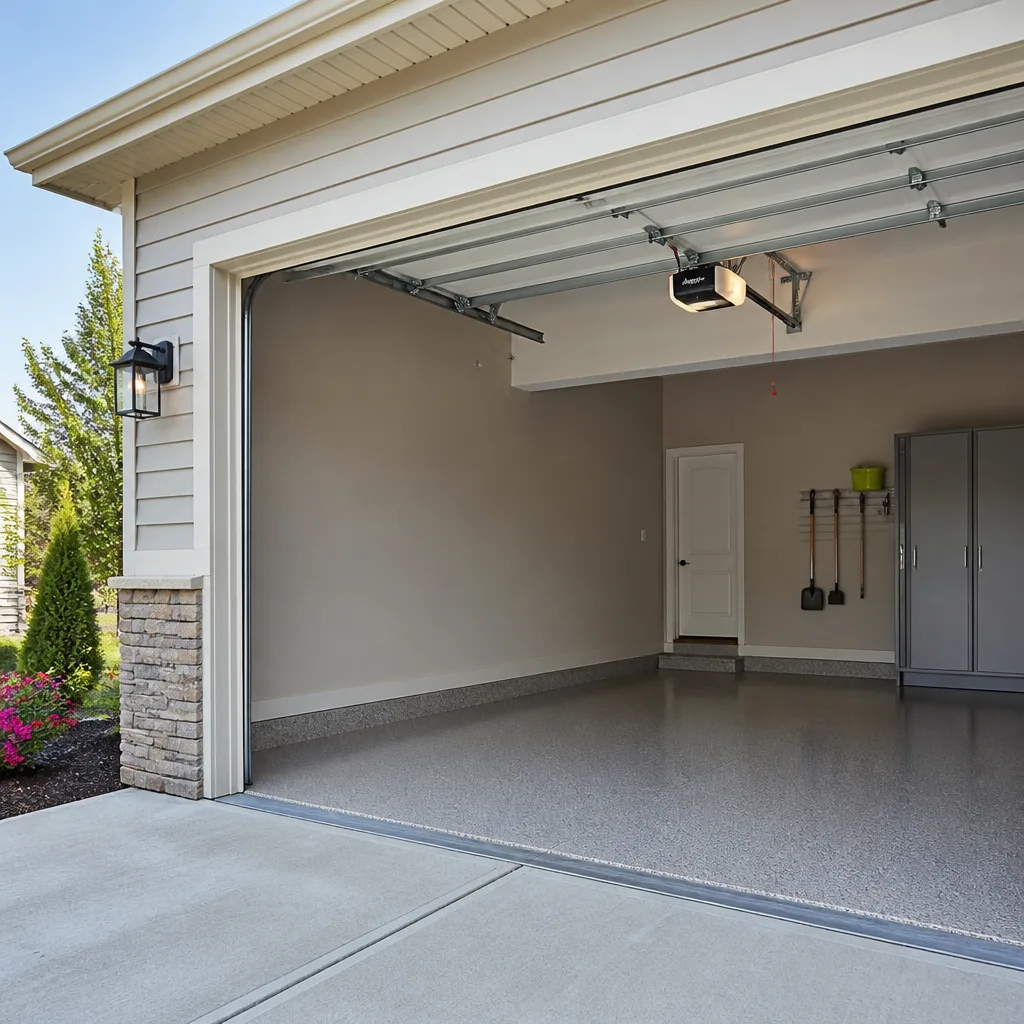 LiftMaster openers
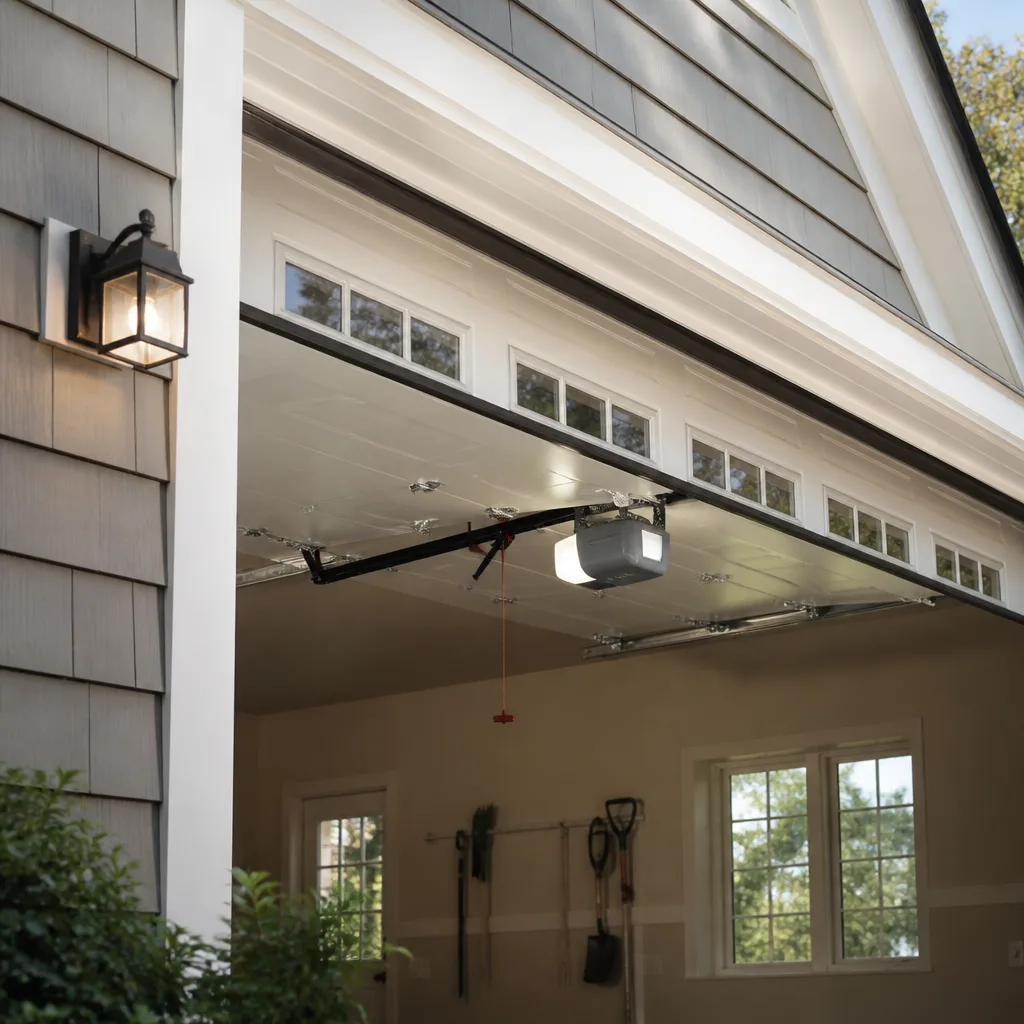 Chamberlain openers
Full 25-point door and opener safety check with every visit - springs, cables, rollers, tracks, and your LiftMaster or Chamberlain opener included
You get a price before we start. It does not change when the pro arrives.
Get your free estimateDIY vs Professional Garage Door: The Wellington Homeowner’s Decision Guide
Replacing a bottom weather seal is a reasonable Saturday project. Replacing a torsion spring is not. A torsion spring stores enough energy to lift a full-size door, and when it lets go during a DIY replacement, it lets go all at once. That single difference – between a rubber strip and a loaded steel spring – is the whole reason this question can’t be answered with a simple “hire someone” or “save the money.” In this guide we walk through garage door work task by task, explain which jobs are fair game for a careful Wellington homeowner and which ones carry real safety and legal consequences, and give you an honest picture of the money on both sides.
Quick Answer
In Wellington, most routine garage door maintenance – cleaning tracks, lubricating rollers, replacing weather seals, and light adjustments to photo-eye sensors – is safe and sensible to do yourself. Torsion spring work, cable work, and any job involving a loaded spring are a different category: they cause serious injuries every year and belong to trained technicians. And in Florida, DIY work on a hurricane-rated door can create warranty and code problems that cost far more than the repair would have.
Styles & brands we work with
- Raised-panel steel
- Carriage house
- Modern flush
- Full-view glass
- LiftMaster openers
- Chamberlain openers
Table of Contents
- Why garage door repairs aren’t one category of risk
- What you can safely handle yourself
- The jobs that belong to a technician
- Hurricane-rated doors, warranty, and insurance
- Permits and code in Palm Beach County
- DIY savings vs. cost exposure
- When to stop and call a professional
Why garage door repairs aren’t one category of risk
A garage door is a system of very different parts doing very different jobs. Some parts sit near zero stored energy and can be worked on with a screwdriver and ten minutes. Others are under hundreds of pounds of tension and can fail violently. Treating the whole door as one thing is where homeowners get into trouble.
We break it into three buckets because that’s how we think about it on a diagnosis:
- Low-risk, homeowner-friendly: cleaning track, lubricating rollers and hinges, swapping a weather seal, re-aiming a photo-eye, replacing batteries in a remote.
- Moderate, DIY-able but unrewarding: adjusting the opener’s travel limits and force settings, re-tensioning a chain, replacing rollers or hinges.
- High-risk, professional territory: torsion springs, extension springs, cables, bottom brackets, off-track door straightening, panel replacement on a loaded door.
The mistake isn’t doing DIY work. It’s assuming a job is in the first bucket when it’s in the third. In our experience, spring and cable failures are where the vast majority of DIY injuries happen, and they’re also the two jobs homeowners most often try after a YouTube video.
What “Wellington climate” actually means for your door
Wellington’s warm, humid summers take a toll on garage doors without ever producing the dramatic weather that gets the attention. Heat and humidity work slowly: steel panels expand and contract through the warmer months, hinges and rollers dry out, and wooden or composite components absorb moisture. None of that shows up as a sudden failure, so the door can drift out of adjustment for months before you notice it sticking or growling. Routine lubrication and a twice-a-year balance check catch most of this before it becomes a repair.
What you can safely handle yourself
There’s real satisfaction in handling the routine stuff, and there’s no reason to pay for it. These jobs are well within homeowner reach if you take your time, and none of them put you near a loaded spring or a cable under tension.
- Lubricate hinges, rollers, and springs (the spring itself, not the hardware): a light spray of garage door lubricant once or twice a year quiets almost any door. Avoid WD-40 on the tracks and rollers; it attracts grit.
- Clean the tracks: a cloth and a little solvent removes the gunk. Don’t oil the tracks – they’re meant to run dry.
- Replace the bottom weather seal: if the seal is cracked or missing chunks, it can be pulled out of its retainer and a new one slid in. This is a genuinely good DIY job.
- Re-aim the photo-eye sensors: if the door reverses for no reason, the sensors are usually misaligned. Small brackets, small adjustments, no tools beyond a screwdriver.
- Test the door balance: disconnect the opener and lift the door halfway. It should hold there. If it drops or rises on its own, the springs need a professional look.
- Test the auto-reverse: put a two-by-four flat under the door and let it close. It should reverse on contact. Do this monthly.
None of this requires skill. All of it protects the door and can catch a problem early. If you follow the lubrication and balance check, you’ll delay the day you need garage door repair considerably.
The jobs that belong to a technician
Torsion spring replacement is the single most dangerous repair in a home, and that’s not overstatement. The Springs and cables on a standard residential door are under the kind of tension that can shatter bone on contact, and the spring holds that tension 24 hours a day even when the door is closed. It’s built to release that energy to lift the door. When it fails unexpectedly, it releases it all at once.
Concrete injury numbers aren’t something we track, but the pattern is well documented: spring and cable work sends a steady stream of homeowners to emergency rooms every year, typically to hands and forearms, and usually during a DIY replacement rather than a sudden failure. The reason is mechanical, not a matter of being careful. You can’t safely unwind a loaded torsion spring by feel.
The jobs we’d stop you before attempting:
- Torsion spring replacement – the most dangerous part of the door. Even seasoned techs use winding bars and treat it as a two-person job.
- Extension spring replacement – lower energy than torsion, but still a loaded spring with a failure mode that can send hardware toward you.
- Cable replacement – cables are under the same tension as the springs and, when they snap, whip. Never touch a slack or frayed cable.
- Bottom bracket work – the bracket holding the cable under tension can be lethal when removed with the spring loaded.
- Straightening an off-track door – an off-track door can drop when you try to realign it. This is a two-person professional job.
- Replacing a lower panel on a loaded door – the remaining panels are still under spring tension.
If your door’s problem is a broken spring, this is not a wait-and-see situation. Call us and we’ll dispatch a technician – garage door spring repair is a specialty, and it’s the kind of job we’re built for.
Hurricane-rated doors, warranty, and insurance
Here’s where Florida makes this question different from anywhere else. A hurricane-rated garage door isn’t just a stronger door – it’s a tested, approved product with a specific design pressure rating and a wind-load rating stamped on a label. That rating is what your county building department and your insurance carrier rely on. It’s not decoration.
When you DIY work on a hurricane-rated door, three things can go wrong:
- You can void the manufacturer’s warranty. Most manufacturers require installation and structural repairs to be done by a qualified professional. If your spring replacement or panel swap isn’t documented as such, a later warranty claim can be denied.
- You can lose the door’s product approval. A hurricane-rated door is approved for a specific installation in a specific opening. Altering the door, its tracks, or its hardware in ways the approval doesn’t cover can mean the door no longer meets the approval under which the house was permitted.
- You can create insurance exposure. In some cases, an insurer can question a claim on a door that was altered outside the manufacturer’s instructions. That’s a scenario no homeowner wants to discover during an active claim.
A panel replacement you do yourself, for example, may leave the door looking fine – but if it’s a different rated panel or it’s installed outside the manufacturer’s spec, you’ve quietly downgraded a rated product. The savings of a few hundred dollars can be dwarfed by what an uncovered problem costs later. If your door is rated and you don’t know how it was installed, ask.
Permits and code in Palm Beach County
Full garage door replacement in Palm Beach County requires a permit – almost universally, and for the reason above: a rated product has to be installed to the approved spec, and the county needs to verify that. Permit rules can change, so the authoritative answer for your address comes from the county building department. Ask before you buy.
When a permit isn’t pulled, the problem usually surfaces at the worst possible time – during a home sale, or during an insurance inspection. A permit search will show nothing for the installation, the appraiser or inspector will note it, and the buyer’s lender may require the door to be brought into compliance. That can mean a second installation, this time permitted. We’ve seen how quickly an unpermitted install turns into someone else’s paperwork problem.
There’s an upside to doing it the right way. A licensed professional pulling the permit means the inspection happens as part of the job, the approval is documented, and the rated product you paid for is still a rated product on paper. It’s the difference between a door that works and a door that stands up when it matters. For more on that side of the work, see garage door opener repair.
DIY savings vs. cost exposure
This is where the decision becomes a money question. Below is a realistic comparison for the most common jobs, using typical Wellington estimates:
- Weather seal replacement: DIY total under $50 in parts. Professional install typically $100-$200 installed. DIY savings real, professional price reasonable. Either is fine.
- Spring replacement (one): parts $60-$150. Professional installation typically $180-$340 for a single spring. A matched pair, usually the right call, runs roughly twice that. The DIY savings look attractive until you weigh the injury risk and warranty void.
- Cable replacement: professional service typically $150-$300. DIY exposure: injury risk plus high chance you create a secondary failure.
- Opener replacement (LiftMaster or Chamberlain, for example): opener cost $150-$450. Professional install typically $300-$600 including setup and tuning. A DIY install is possible on a like-for-like swap but often leaves mis-positioned sensors and unreliable travel limits.
- Full door replacement with a hurricane-rated door: typically $1,200-$3,500+ depending on size and rating. DIY isn’t realistic here – permit, wind-load verification, and tensioning all sit outside the homeowner scope.
The honest reading: on the low-risk tasks, DIY saves money without adding risk, and you should do it. On the high-risk tasks, the theoretical savings are small compared to the downside of a broken hand, a voided warranty, or an insurance problem. On installation and permit work, DIY is the wrong tool. Our technicians have up to 11 years of experience with the 8 major brands – LiftMaster, Chamberlain, Genie, Clopay, Amarr, Wayne Dalton, Craftsman, and Raynor – so on any brand-specific job, the alternative to DIY is a short call to someone who already knows the equipment.
When to stop and call a professional
We’d rather answer a question than talk you into work you don’t need. The line we draw is simple: if the job requires touching a loaded spring, a cable, or a bottom bracket, or if it involves replacing a rated door, stop. Those are the four places where an injury, a warranty problem, or a permit problem can happen. Everything else, we’re happy to have you tackle yourself.
If your door is off its track, if a spring has failed, or if you’re replacing a rated door in Wellington, call us. Wellington Garage Door Repair Co offers free estimates in Wellington – call (844) 913-0920. We answer 24/7. Fast dispatch from 7am to 7pm, Sunday through Friday. The price is quoted and agreed before any work starts, and the written estimate is what you pay – no invoice surprises after the fact.
Common Mistakes to Avoid
- Assuming a YouTube video is a substitute for the safety gear. A winding bar and a two-person wind-down exist for a reason. If a “how to” video has you holding a bracket with one hand and the spring with the other, close the tab.
- Skipping the door balance check. A door that won’t hold halfway means the springs are worn. If you don’t test it, you won’t know until a spring breaks – often at the most inconvenient moment.
- Oiling the tracks. Lubricate the hinges and rollers, not the track. Oil on the track collects grit and drags the door.
- DIY work on a hurricane-rated door without checking the manufacturer’s terms. It’s one thing to swap a seal. It’s another to replace a panel on a rated door and think the rating still holds.
- Installing a new door without a permit in Palm Beach County. The paperwork will find you eventually, and it’s much easier to do it now than during a home sale.
- Ignoring noisy rollers or a growling opener. Noise is information. Clean and lubricate, and if the noise sticks around, get it looked at before a small problem becomes a full replacement.
- Assuming the cheapest quote is the safest one. Get a written estimate, ask whether the tech is licensed and insured for the work, and ask what the warranty is on the part. The answer to those two questions tells you more than the invoice total.
See the difference
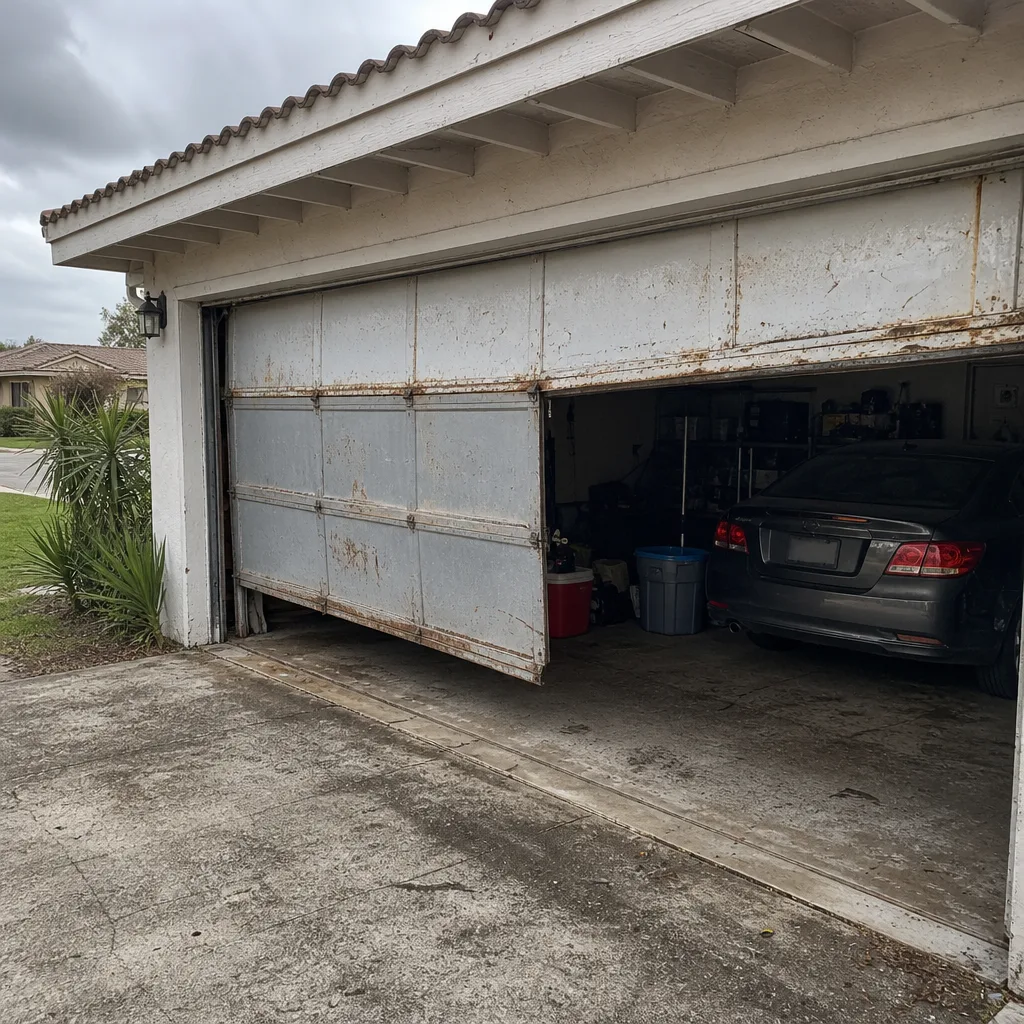 Before
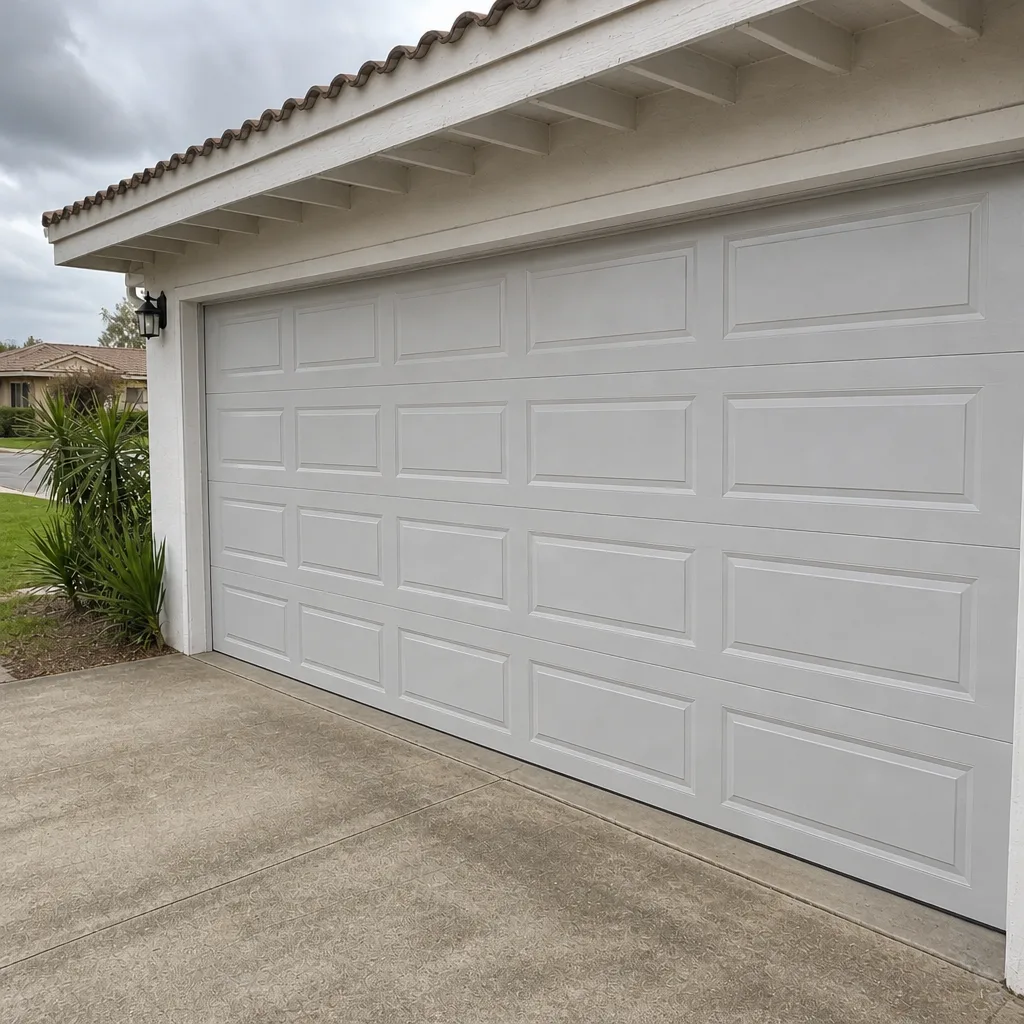 After
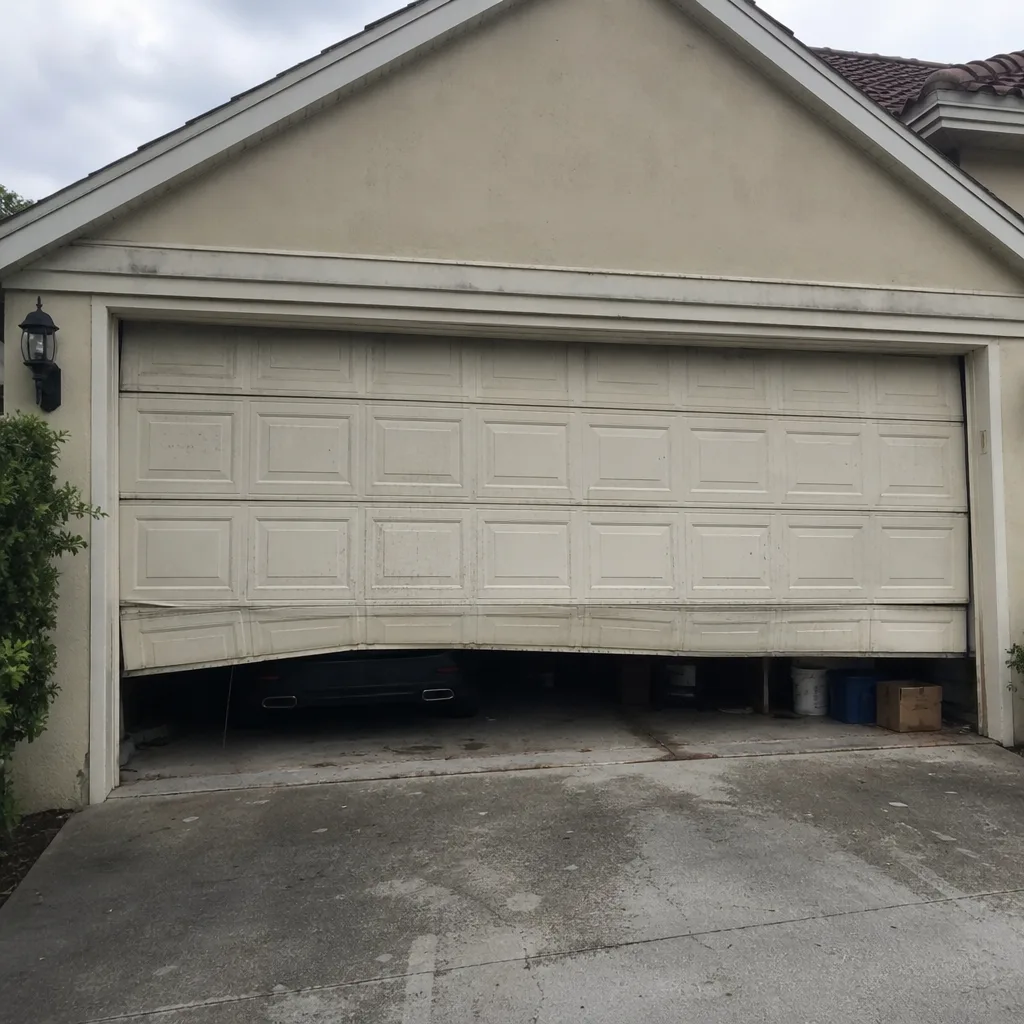 Before
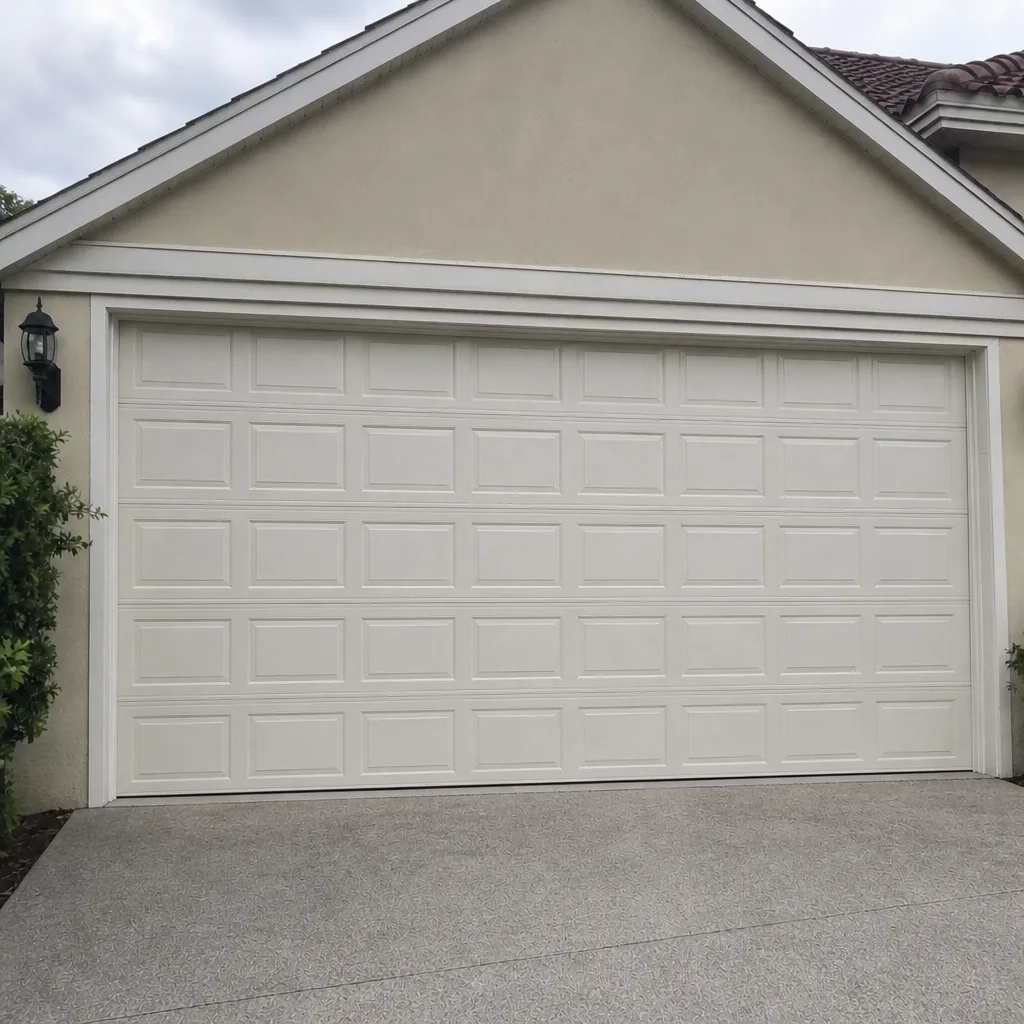 After
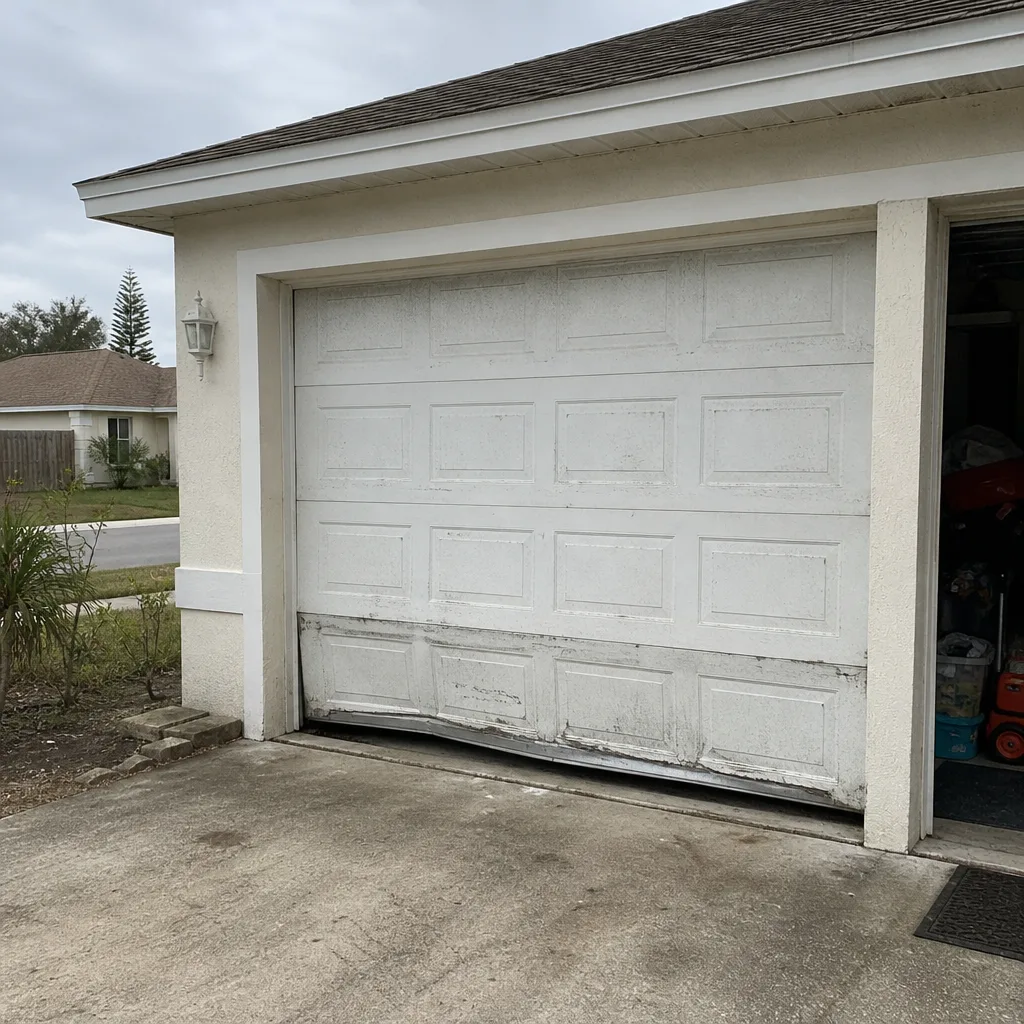 Before
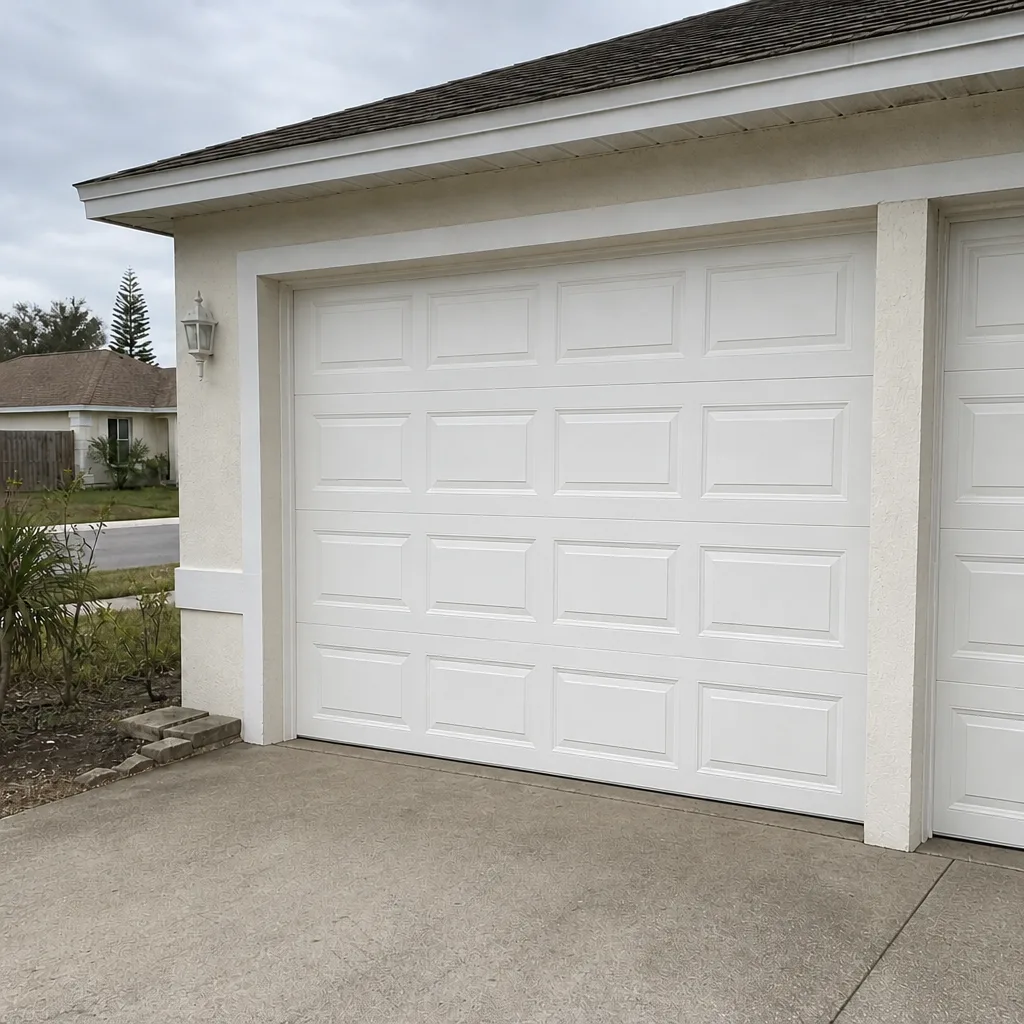 After
When to Call a Professional
Call us now if any of these are true: the door is off its track, a spring has clearly failed (you’ll see a gap in the coil or the door won’t lift), a cable is slack or frayed, the door comes down unevenly, or you’ve had a close call yourself. Also call if you’re replacing a rated door, if you don’t know whether your door is permitted, or if you’re upgrading to a new opener and want the travel limits and safety sensors set correctly. Those are not DIY decisions – they’re the exact jobs a trained technician exists for. Our team is factory-familiar with the major brands, so we work on whatever is already in your garage. Wellington Garage Door Repair Co offers free estimates in Wellington – call (844) 913-0920.
Frequently Asked Questions
You can physically attempt it, but you shouldn’t. Torsion springs are under hundreds of pounds of stored tension, and spring replacement is one of the most dangerous home repairs there is – it sends people to emergency rooms every year. In Florida there’s a second reason: DIY work on a hurricane-rated door can void the manufacturer’s warranty and the product approval your insurance relies on. Call a trained technician instead.
Not always. Maintenance work like lubrication, seal replacement, and sensor adjustment is generally fine for a homeowner. But structural work and full door replacement in Palm Beach County typically require a permit and a licensed installer, and a hurricane-rated door needs to be installed to its approved specification. The definitive answer for your address comes from the county building department – ask before you start.
Often, yes. Most manufacturers require qualified installation and professional repair for warranty coverage, particularly on rated doors. If you replace a panel, spring, or opener without documentation of professional work, a later warranty claim can be denied. Keeping your warranty intact is one of the strongest arguments for professional spring and panel work.
Typically $180-$340 for a single spring, with a matched pair usually replaced together at roughly twice that. That’s a professional install price, and it’s lower than most homeowners expect. Compare it to the injury risk and the warranty problem and the math is clear. Call (844) 913-0920 for an exact quote – estimates are free.
Three things: is the component under tension (spring, cable, bottom bracket), is the door rated and therefore under a warranty and product approval, and does the work require a permit. If any answer is yes, it’s a professional job. If all three are no, it’s probably yours to handle. When in doubt, call and ask – we’ll tell you straight.
Yes. We’re factory-familiar with 8 major garage door and opener brands, including LiftMaster, Chamberlain, Genie, Clopay, Amarr, Wayne Dalton, Craftsman, and Raynor. That matters because the right diagnosis depends on the specific opener’s limits and travel settings, the door’s rating, and how the system was installed. You won’t be upsold into a different brand.
The Bottom Line
The DIY decision for a Wellington garage door isn’t about your skill. It’s about the specific job. Seal replacement, lubrication, sensor adjustment, and balance checks are yours to handle, and doing them protects the door. Springs, cables, bottom brackets, off-track doors, and rated-door installation belong to a trained technician – because of the injury risk, because of the warranty on hurricane-rated products, and because Palm Beach County permit rules require it. Our technicians have up to 11 years of experience, and we’d rather explain a repair than sell you a new door. If you’re unsure, call (844) 913-0920. We answer 24/7. Fast dispatch from 7am to 7pm, Sunday through Friday. Free estimates, and the price is agreed before any work starts. For the full range of what we do, start at Wellington Garage Door Repair Co.
Written by the team at Wellington Garage Door Repair Co.